advertisement
FYI

Black Music's Disquiet Over Juno Recognition

In a time when Daniel Caesar and Drake run streaming, will the Junos properly recognize the Black artists drawing attention to Canada's music scene?
Black Music's Disquiet Over Juno Recognition

By External Source

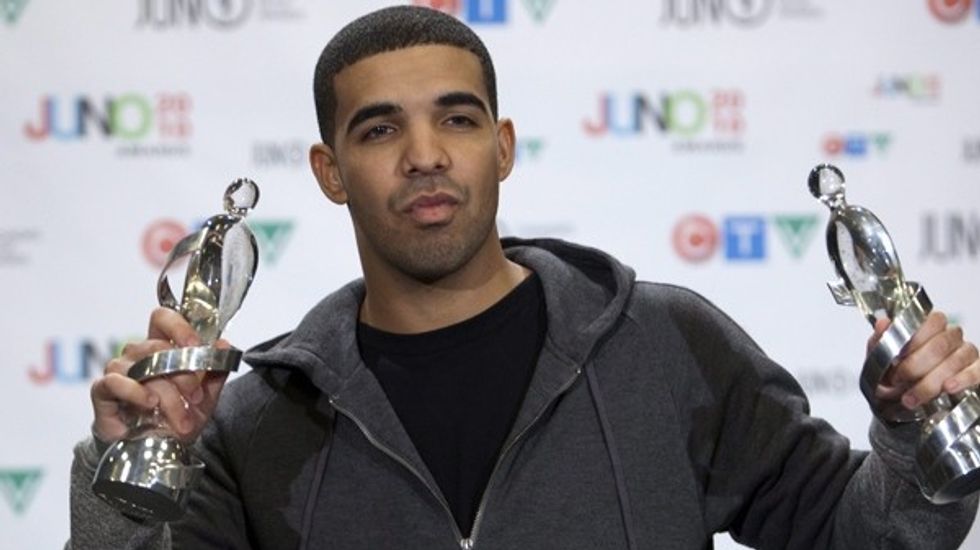
Since 1970, the Juno Awards have been an annual ceremony that recognizes the artistic and technical achievements of Canada’s music industry—however, Black music categories, as well as genres made by marginalized communities in general, are rarely, if ever, televised. Little change appeared in sight for more than a decade until 2011 when Drake, who was nominated in six separate categories that year, was asked to host the Juno Awards. He would not only be the first rapper to ever be asked to host the award show, but also the first Black host in its 41-year history. But what should’ve been a trophy sweep resulted in Drake snubbed in every single category for his debut Thank Me Later. "He had one of the biggest years ever in rap history as far as being a Canadian, they have him hosting the entire thing…. and to me, it's disrespect, what they did. Absolute disrespect,” Kardinal Offishall would later tell the Toronto Star.


advertisement

Since then, Drake has not attended the national award ceremony. And though he’s been nominated and won several awards since, some of his biggest achievements have failed to be recognized. More recently, Jazz Cartier’s 2017 speech following his win for ‘Rap Recording of the Year’, addressed the awarding committees directly and in a since-deleted Instagram post saying, “…also @thejunoawards while you guys enjoy all the hip-hop in the world at your after parties, next year you gotta have this category filmed on television.”
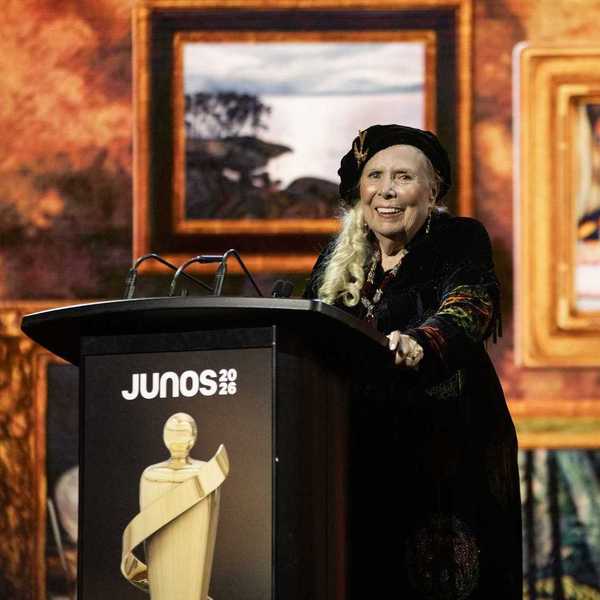
This year marks a turning point in hip-hop’s relationship with the Juno Awards, and it probably stands to be its most volatile position to date. According to Nielsen’s 2017 Canada Music Year-End Report, Hip-Hop/R&B was the “fastest-growing music genre of the year, with an 86% increase in audio on-demand streaming consumption over 2016.” Additionally, seven of Canada’s most streamed artists of the year came from the Hip-Hop/R&B genre, including Drake and The Weeknd. With those statistics, it would only make sense that the most popular genres in Canada—and North America, overall—would finally receive their due praise. Twenty years after The Rascalz first rejected their Juno Award, the conversation continues, but this time a new question is on the horizon: do our homegrown talents, who’ve earned accolades and praise elsewhere in the world before Canada, still need the Junos?
- Erin Ashley, Award Shows Need Rappers More Than Rappers Need Award Shows, Noisey
advertisement
Drake 'Hotline Bling'
Courtesy Photo

Drake 'Hotline Bling'

Chart Beat

These Were Canada's No. 1 Songs and Albums in 2016

As everyone on social media yearns for a decade ago, we take a look at the landmark year for Canadian music when the Billboard Canadian Hot 100 and Canadian Albums charts were ruled by Justin Bieber, Drake, The Weeknd, Alessia Cara and more.

The year is 2016: skinny jeans are in style, Instagram photo filters are all the rage, TikTok doesn't exist and Canadian artists are ruling the Billboard charts.

A decade later, many are yearning for the recent past. Decade-old photo carousels have flooded social media feeds. Somehow, 2016 is the latest trend to take over Instagram and TikTok, nostalgically romanticizing a pre-pandemic world before AI ruled, the world, brainrot wasn't a thing and basic human rights weren’t being stripped stateside (though there was also a notable election that year).

keep readingShow less
advertisement