Sarah McLachlan, Mac DeMarco, Leith Ross and More Support SOCAN Campaign to Stop Unlicensed AI Music
The licensing and royalties organization is calling on its members, the music industry and the public to urge the Government of Canada to omit “new copyright exceptions that would permit free unauthorized use of copyright-protected works for AI training.”
Generative AI is becoming a new force in the music industry, often posing a threat to artists, music labels and trade organizations.
In light of this, SOCAN has launched a national campaign, urging the Canadian government to eliminate copyright exceptions that permit free and unauthorized use of copyright-protected works for AI training — prioritizing human-created music.
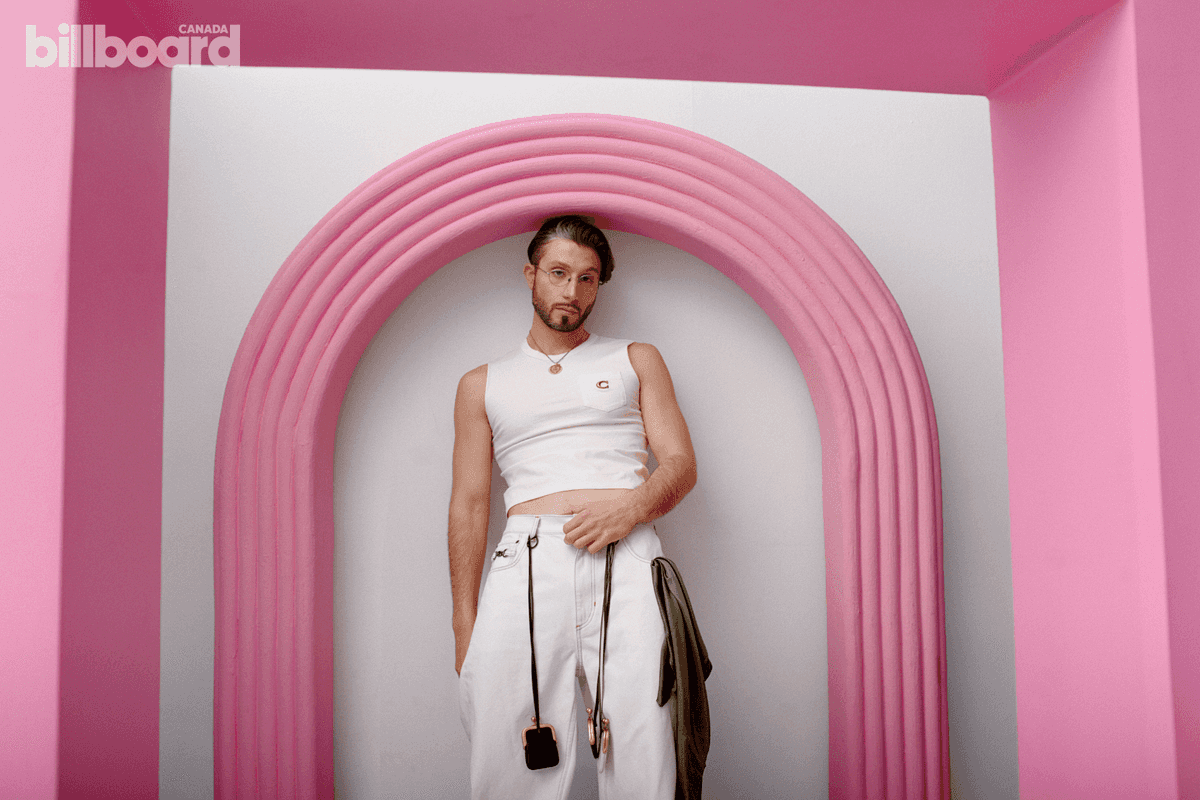
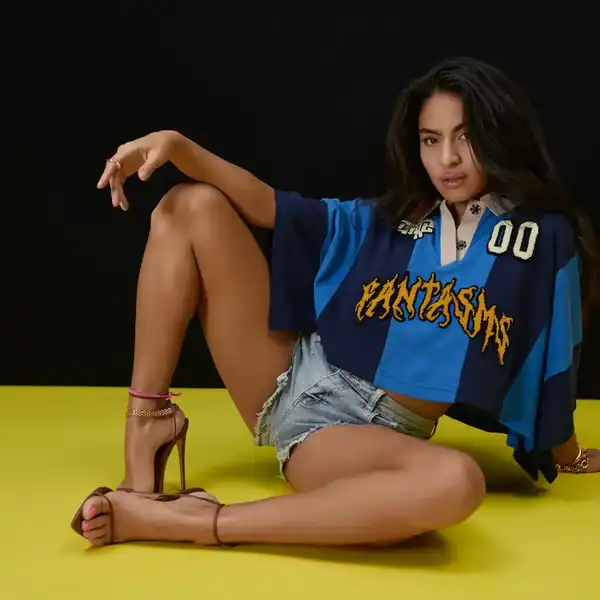
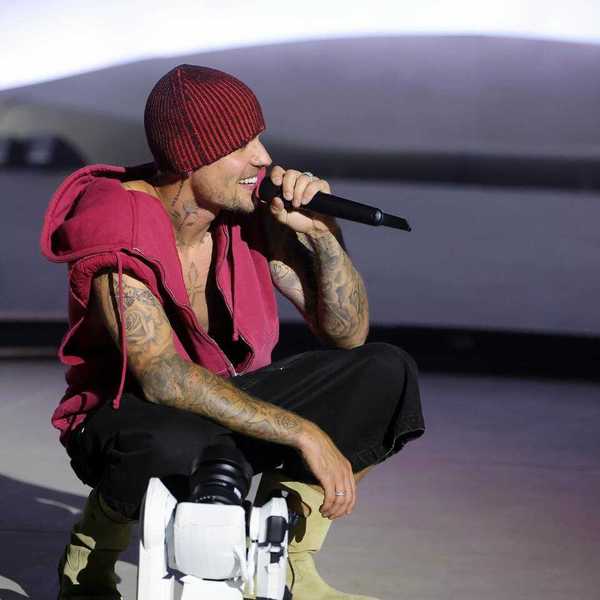
Artists and organizations have signed in support, including Sarah McLachlan, Barenaked Ladies' Ed Robertson, Elisapie, Dan Mangan, Mac DeMarco, Leith Ross and more. BMG Music Publishing and Nettwerk Music Group are signatories, too.
"This is a defining moment for Canada. AI companies are taking copy-protected works without consent, and the impact is being felt across the music industry,” Jennifer Brown, CEO of SOCAN, tells Billboard Canada. “Music creators cannot compete in a system that devalues human expression while AI companies profit from the unlicensed use of their work.”
The song "I Run" by electronic duo HAVEN. has become an AI hot topic in the industry. Currently charting on the Billboard Canadian Hot 100 at No. 41, the initial version was created using AI-manipulated vocals from the music platform Suno, with many likening it to R&B singer Jorja Smith.
While he hasn’t been a direct victim of AI, DeMarco criticized it, saying “the most important part of art is the human element,” when asked about the rise of AI tools.
Last July, Ross spoke out against AI-generated music after eight songs were uploaded to the Winnipeg native’s page on Spotify. In response, they bluntly wrote: “f–k AI and AI music,” on social media.
“Every day, global streaming platforms are flooded with tens of thousands of AI-generated outputs by tools trained on copyright-protected works without consent, without credit and without compensation,” SOCAN's campaign claims, noting that “generative AI is reshaping the music and cultural sectors at an unprecedented pace.”
Outside of the industry, local music fans are not receptive to AI-generated work. Last November, a SOCAN report found that 87% of Canadians said they wanted to listen to music created by humans, with 65% saying it's “very important” to them.
“Canadians have been clear: they value human creativity and expect their government to protect it,” Brown says. “The decisions made now will determine whether music creation remains a viable profession and a vital part of our cultural identity.”
In addition to protecting the country’s creative integrity, the campaign addresses policymakers directly, “at a critical moment,” demanding that the government protect human expression, require transparency from AI companies and ensure clear labelling of AI-generated outputs.
“Canada has long championed cultural sovereignty and the value of human creative expression,” the statement reads, noting that if the government lacks a clear policy direction, the country will lose its “legacy of Canadian storytelling,” the value of human expression and the economic benefits of a strong music industry.
“This is the moment to defend human-made music and ensure it remains valued and protected in Canada,” the letter reads.
The campaign follows the news that three performing rights societies — SOCAN, ASCAP and BMI — have adopted policies that accept registrations of musical compositions partially generated using AI tools last October. In this case, a partially AI-generated musical work is "one that combines elements of AI-generated musical content with elements of human authorship" and does not include musical compositions that are created entirely with AI.
Find the full letter campaign and all the signatories here.
- AI and Copyright in Canada: 'No Grey Area' Says Margaret McGuffin | Billboard Canada ›
- Canadian and Australian Music Rights Organizations Release Joint Statement on AI and Copyright | Billboard Canada ›
- Les organismes canadiens et australiens de gestion des droits musicaux publient une déclaration commune sur l'IA et le droit d'auteur | Billboard Canada ›
- ‘It's a Little Scary’: Alessia Cara Speaks Out After AI-Generated Song Appears on YouTube | Billboard Canada ›
- SOCAN Responds to Canada's New AI Strategy, Calls to Protect Copyrighted Music | Billboard Canada ›
- La SOCAN réagit à la nouvelle stratégie canadienne en matière d’IA et appelle à renforcer la protection de la musique soumise au droit d’auteur | Billboard Canada ›
- SOCAN Teams With Musical AI to Offer 'Consent Management and Attribution' Tools For Generative AI Music | Billboard Canada ›
- SOCAN Sues Suno for Copyright Infringement | Billboard Canada ›
- La SOCAN poursuit Suno pour violation de droits d'auteur concernant des productions musicales générées par l'IA | Billboard Canada ›