Greg Brown, Founding Guitarist of Cake & ‘The Distance’ Songwriter, Dies After ‘Brief Illness’
The musician was featured on the band's first two albums in the mid-1990s.
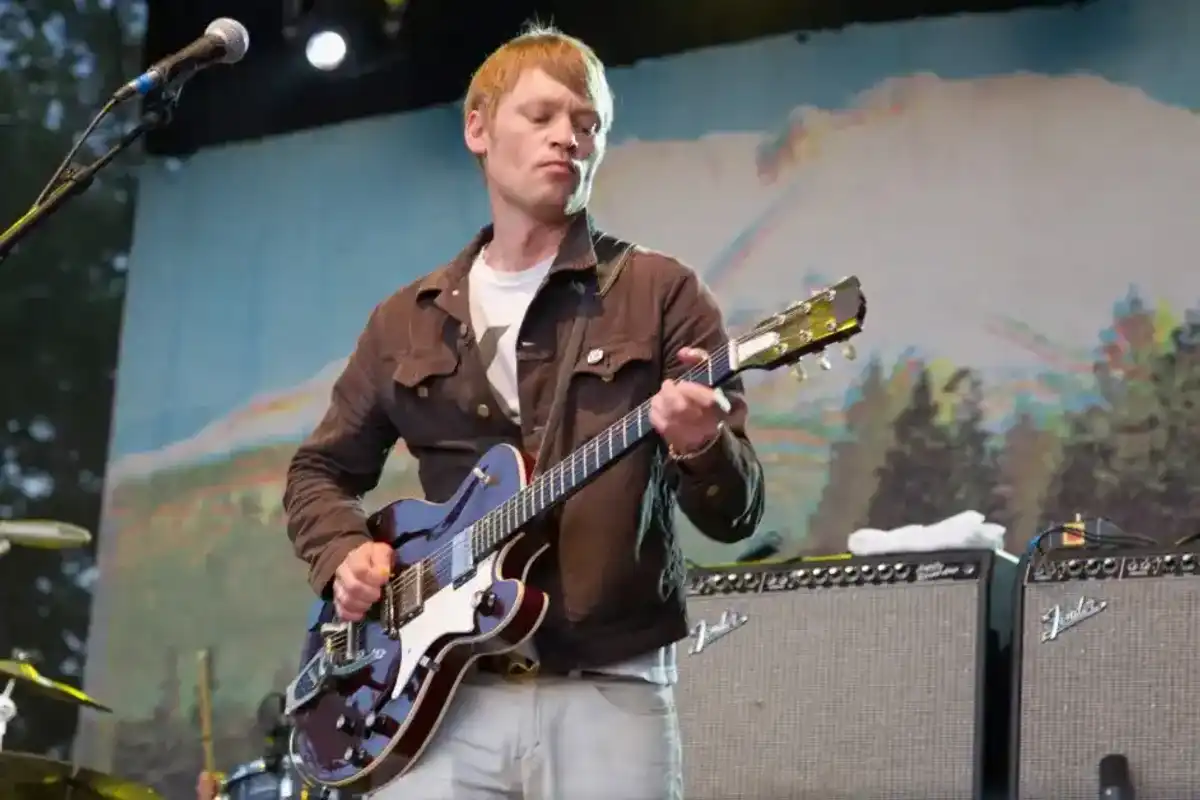
Greg Brown of Cake performing on day four of Bottle Rock Napa Valley Festival at Napa Valley Expo on May 12, 2013 in Napa, California.
Greg Brown, founding guitarist of Cake and writer of the band’s hit song “The Distance,” has died.
Cake announced Brown’s passing in a social media post on Saturday (Feb. 7). His age was not provided in the announcement, but a 2021 Billboard feature listed him as 51 at the time.
“It is with heavy hearts that we share the news of Greg Brown’s passing after a brief illness,” Cake wrote on Instagram alongside a black-and-white photo of their late bandmate.
The Sacramento, California–based rock act — whose current members include vocalist John McCrea, trumpeter/keyboardist Vince DiFiore, guitarist Xan McCurdy, bassist Daniel McCallum and drummer Todd Roper — did not specify an exact cause of death.
“Greg was an integral part of CAKE’s early sound and development,” the group added. “His creative contributions were immense, and his presence — both musical and personal — will be deeply missed. Godspeed, Greg.”
Cake was founded in Sacramento in 1991, with Brown on guitar alongside McCrea, DiFiore, and others. He played on the band’s first two albums: its 1994 debut, Motorcade of Generosity, and the 1996 follow-up, Fashion Nugget.
Brown was the sole songwriter of Cake’s 1996 single “The Distance,” which reached No. 4 on Billboard‘s Alternative Airplay chart.
“[McCrea] took to it right away, and I didn’t really understand what he saw in it so much,” Brown told Billboard of “The Distance” in 2021. “I liked the way it sounded and everything, but I thought ‘Frank Sinatra’ was a much stronger choice for the single. But the record label chose it and it worked out.”
Brown left Cake in 1997 following a tour in support of Fashion Nugget.
“I might have told you one thing back when I was 27 years old, and I left hot headed and mad about what I considered to be irreconcilable personality problems or whatever,” he said in 2021. “As 51-year-old me, I see a much larger context of what was going on in my life. Rather than get into all of it, I would just say there was a lot of turmoil at the time, and I felt like leaving Cake would be a decision that would be good for my health.”
The guitarist went on to start his own band, Deathray, with fellow former Cake member Victor Damiani on bass. He also joined a brief side project of Weezer’s Rivers Cuomo called Homie, playing on the group’s only release, “American Girls,” from the soundtrack for 1998’s Meet the Deedles.
After releasing two Deathray albums in the early 2000s, Brown reunited with Cake to play guitar on “Bound Away,” which appeared on the group’s 2011 album, Showroom of Compassion.
See Cake’s post about Brown’s death on Instagram here.