
An editorial from the Winnipeg Free Press, published Feb. 26:
It’s undeniably heartening to see the recent allegations against rock band Hedley taken seriously.
Prior to the #MeToo movement, one imagines the tweets of teenage fans claiming band members engaged in sexual misconduct, possibly with underage girls, would have been dismissed as drama-queen hysterics and swept under the rug.
However, the alacrity and enthusiasm with which everyone from managers to awards shows is rushing to denounce the Vancouver pop-rock band has the sour tang of hypocrisy.
Corus Radio stations across Canada have declared they will no longer include Hedley songs on their playlists.
But Corus, which has Winnipeg affiliate stations, has no problem playing L.A. metal band Motley Crue, despite lead singer Vince Neil’s multiple convictions of assaulting women. Crue drummer Tommy Lee spent six months in jail after battering then-wife Pamela Anderson; he and bassist Nikki Sixx admitted to raping a woman in their band autobiography, The Dirt.
And yet barely a day goes by that the band’s "Girls, Girls, Girls" doesn’t hit the airwaves.
Bell Media joined in the ban of Hedley songs, but the network of stations happily helped rapper Chris Brown, convicted of felony assault of then-girlfriend Rihanna, reach No. 1 with his 2017 album.
We can probably agree that sleeping with underage girls is a strange career perk to aspire to, but it’s certainly one that’s well documented among some of music’s biggest names.
Bill Wyman of the Rolling Stones. Steven Tyler of Aerosmith. Led Zeppelin’s Jimmy Page. David Bowie. All had “relationships” with girls younger than 16, yet it is literally impossible to spend one day listening to Winnipeg’s classic rock station without hearing one, if not all, of those artists.
When the members of Hedley addressed the accusations, they wrote: “(T)here was a time, in the past, when we engaged in a lifestyle that incorporated certain rock and roll cliches.”
This weak excuse smacks of rationalization, but if you look at the Billboard charts or turn on the radio, that cliched lifestyle is still being rewarded; rockers, rappers and country stars alike aren’t punished for bad or even criminal behaviour, as long as they’re still making money for the industry.
The haste with which the Canadian music industry is repudiating connections with Hedley feels more like a wish to get out from under a bad-PR tsunami than a genuine interest in changing its ways.
It’s notable that the Feldman Agency, which dropped the band last week, still represents Nick Carter, the former Backstreet Boy recently accused of rape.
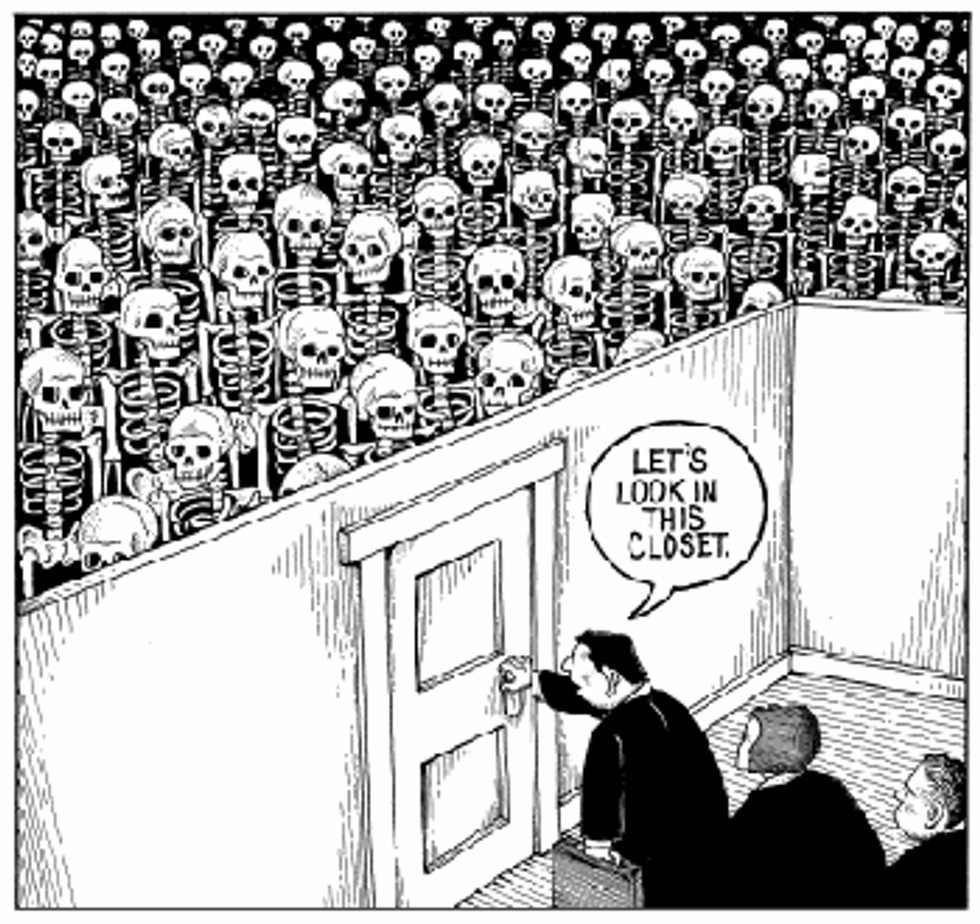
The horde of Johnny-come-latelies jumping on this particular #MeToo bandwagon need to know their swift reaction doesn’t absolve them from being complicit in decades of no action, decades of fostering, even celebrating, an environment that’s inherently hostile to women.
Doling out repercussions only after a groundswell of disgust only proves the music industry knows what side its bread is buttered on. For once, it would be nice to see the industry take a proactive stance, instead of pandering to the public and covering its bottom line.