Ontario Ticket Touts Law Gets Scalped
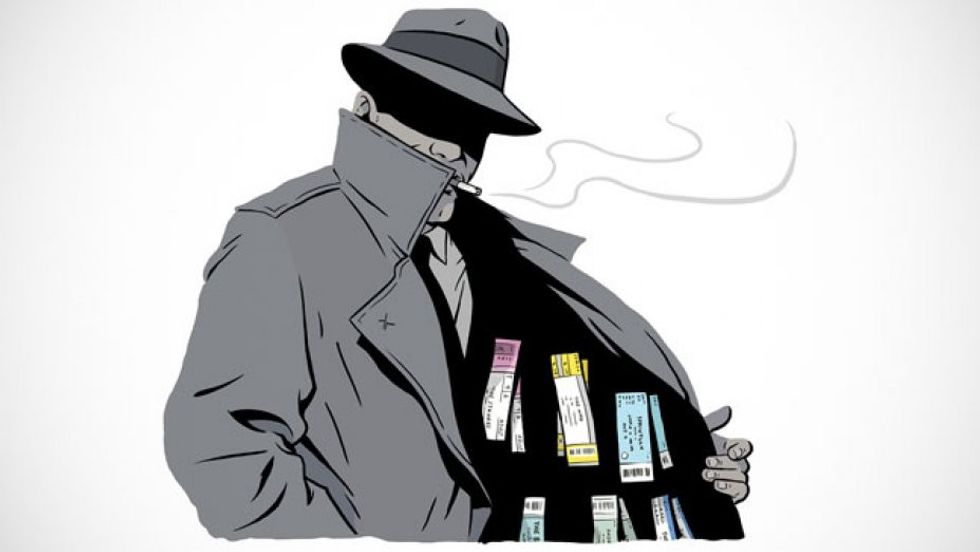
One of the first actions of the new Doug Ford-led administration has been to quietly shelve a key part of a controversial law that would have capped prices ticket scalpers can charge to fans of live music and sports, a joint CBC News/Toronto Star investigation has learned.
By External Source
The recently-elected new Ontario government has quietly shelved a key part of a controversial anti-scalping law that would have capped prices ticket scalpers can charge to fans of live music and sports, a joint CBC News/Toronto Star investigation has learned.
Premier Doug Ford's office confirmed late Tuesday his government is suspending a portion of the law, introduced by the Liberals, that would have outlawed resale of tickets at markups of more than 50 per cent above face value, which was set to take effect July 1.
"The previous government attempted to institute a cap on ticket resales with no way to enforce that cap, resulting in less consumer protection," Ford spokesperson Simon Jeffries wrote in an email statement.
"We have paused the implementation of this section until we can review this provision in full to make sure it is in the best interest of Ontarians."
Continue reading here