Frigs: II
Based on this propulsive new track, the Toronto post-punk quartet will justify the advance hype for an imminent full-length debut. It is dirty and invigorating, a mud bath for the ears.

By Kerry Doole
Frigs - "II" (Arts & Crafts): This Toronto quartet was initially named Dirty Frigs. They may have dropped the first part of the moniker, but their sound remains both dirty and invigorating, like a mud bath.
Their full-length debut, Basic Behaviour, will be released on Feb. 23. An earlier 2016 EP, Slush, and incendiary live shows have had them designated as contenders, and this advance track from the album reinforces that prediction.
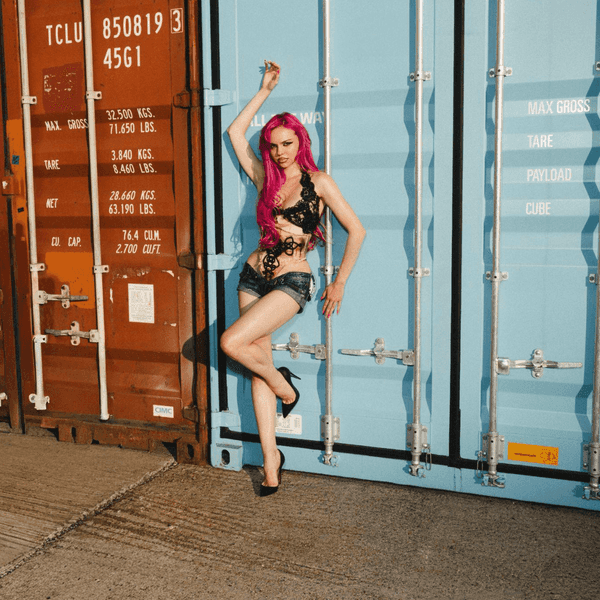
The Frigs trump card is vocalist/lyricist Bria Salmena. She possesses a powerful and guttural voice that is also capable of subtlety, while her lyrics veer to the visceral. "This is shit," she declares on "II" while her comrades deliver a post-punk sonic storm featuring ringing guitars and crashing percussion. The track and album are self-produced, with assistance from engineer Ian Gomes. Of note: guitarist Duncan Hay Jennings is the son of music journalist/author Nicholas Jennings.
A North American tour takes flight on March 1 at Montreal's Bar le Ritz, includes SXSW showcases, and concludes at Toronto's The Garrison on April 7. A full itinerary here