A CIMA Q&A With Re:Sound President Ian MacKay
CIMA President Stuart Johnston recently asked Ian MacKay, President of Re: Sound Music Licensing Company, to discuss his organization’s work on behalf of artists and record companies, and how indep
By External Source
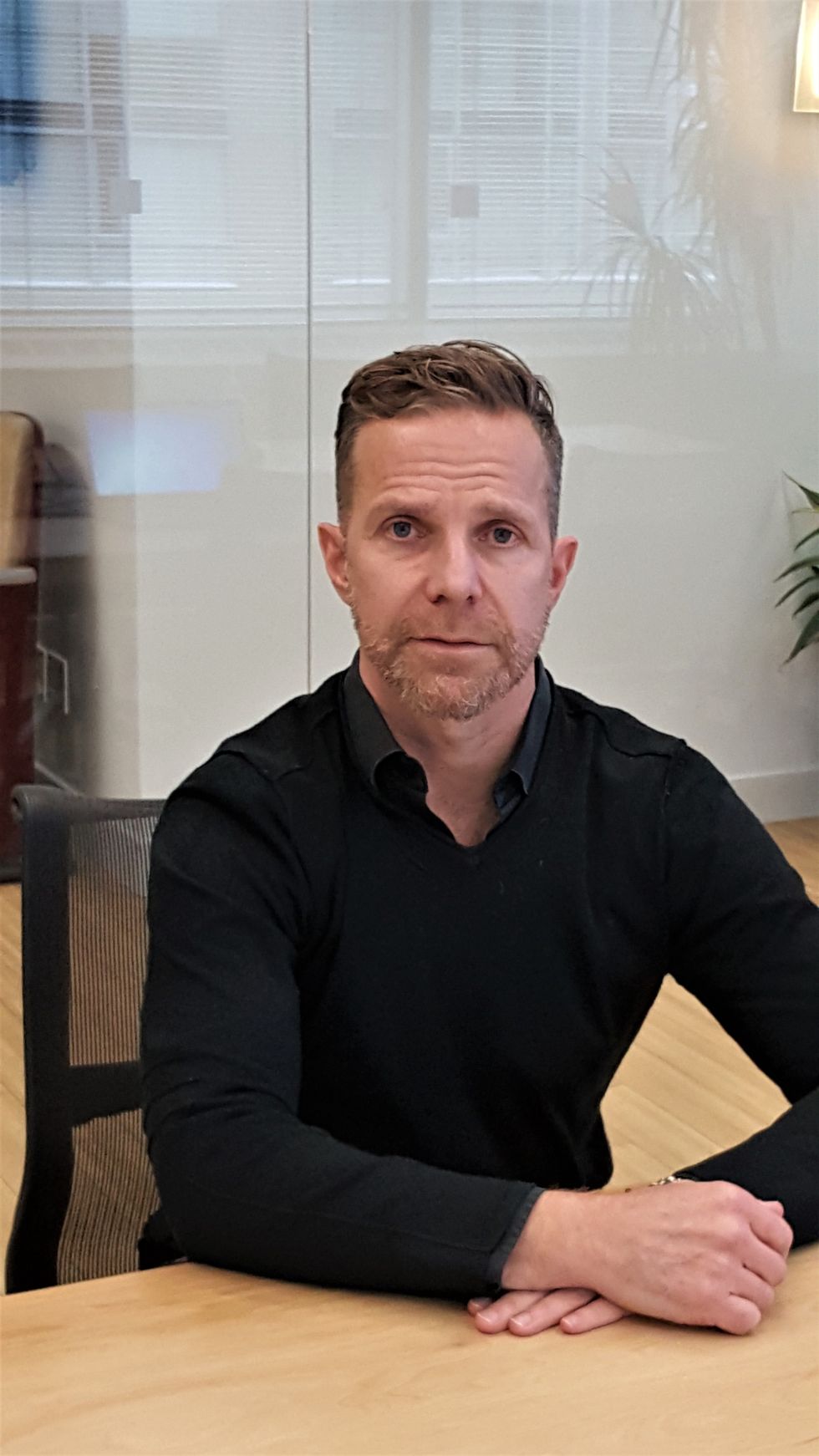
CIMA President Stuart Johnston recently asked Ian MacKay, President of Re: Sound Music Licensing Company, to discuss his organization’s work on behalf of artists and record companies, and how independent labels can ensure they are compensated for their performance rights. Johnston is a member of Re: Sound’s board of directors, representing Canada’s independent music community.
What followed is an enlightening account of how the rights collective has evolved from a relatively small royalties’ collection agency into a big money earner for its rights stakeholders that include musicians and record labels. Re:Sound has also become a world-leader in data collection and in its last reported fiscal processed 1.8B sound recording performances (plays).
To learn more about the org, MacKay’s role in the agency’s development and read the full Q&A, continue here.