Deadmau5 Responds to Gen-AI Deepfake: ‘Just the Beginning for Talentless F–ks to Abuse This Tech’
The fake video apparently portrayed the legendary producer endorsing the work of the artist who posted it to Instagram.
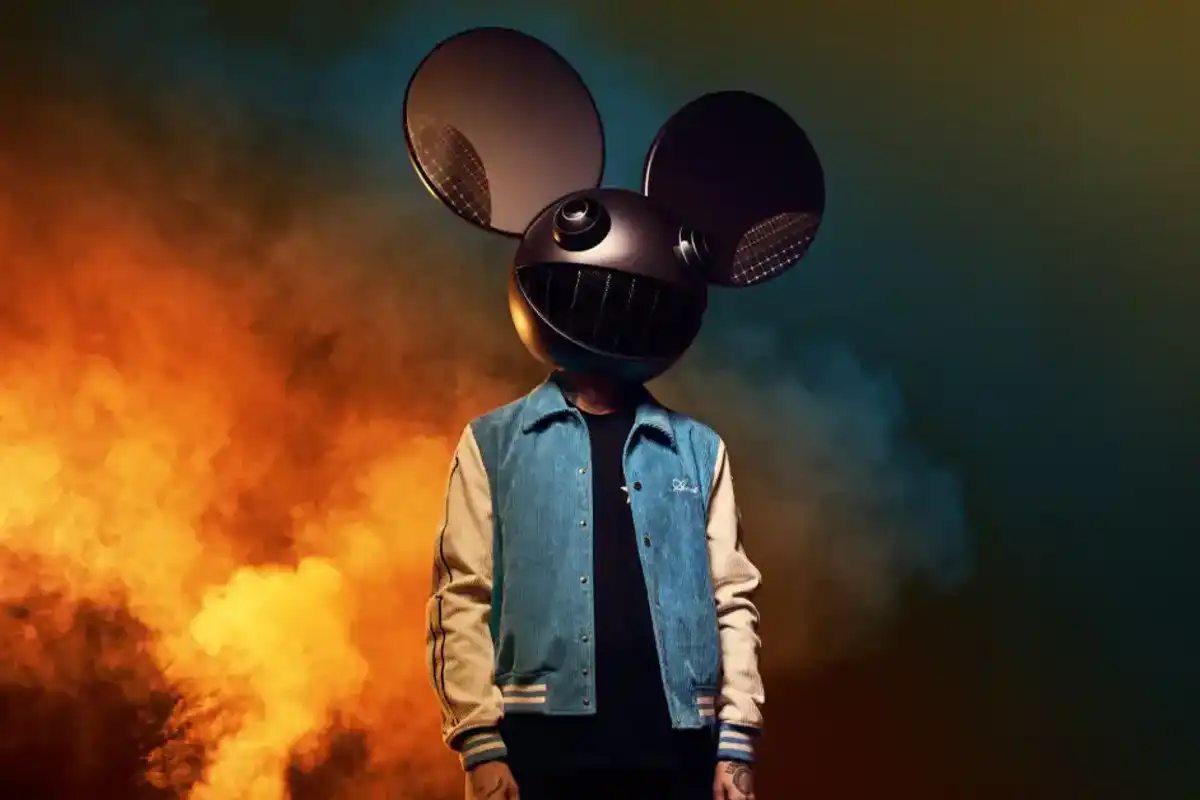
deadmau5
Deadmau5 has posted a characteristically forthright statement in response to another artist’s use of a generative AI video of him. In it, a fake version of the legendary artist apparently appeared to endorse the work of the DJ who posted it.
“Woke up to some idiot DJs Instagram story (who’s name I’ll redact because I don’t care to promote him) that fully depicted me standing there promoting him and his music,” deadmau5 wrote in a statement posted to social media on Wednesday (Feb. 11). “FULLY AI generated, voice wasn’t quite 100% but pretty damn convincing. F–cking scary as f–k. And I’m sure this is just the beginning for talentless f–ks to abuse this tech to further themselves while violating others rights in one of the worst ways possible.
“I’m sure we’re all going to be seeing much more of this,” the artist continued. “AI is f–king great, generative AI not so much; but we need to stop idiots from abusing it.”
As of press time, the deepfake video was not immediately available, nor is it clear which artist posted it. Along with his statement, deadmau5 shared an image of his face from the video, which looks remarkably like the Canadian producer born Joel Zimmerman.
In a statement to Billboard, deadmau5 says, “People should be in control of their own faces and voices — it’s that simple. My lawyer, Dina [LaPolt] has been working on the NO FAKES Act in the U.S. to create real protections against deepfakes that use our images and voices and fool fans into thinking it’s actually us… when it’s not.”
The NO FAKES Act is in front of Congress now. The bill aims to protect artists from AI deepfakes via legislation that would, according to recent reporting by Billboard, “turn a person’s digital likeness into a form of intellectual property, allowing artists to license out these rights and sue those that publish deepfakes without their consent.”