David Allan Coe, Country Music Outlaw, Dies at 86: Reports
The late artist's life was "full of bad luck and misadventure," and produced several country classics.
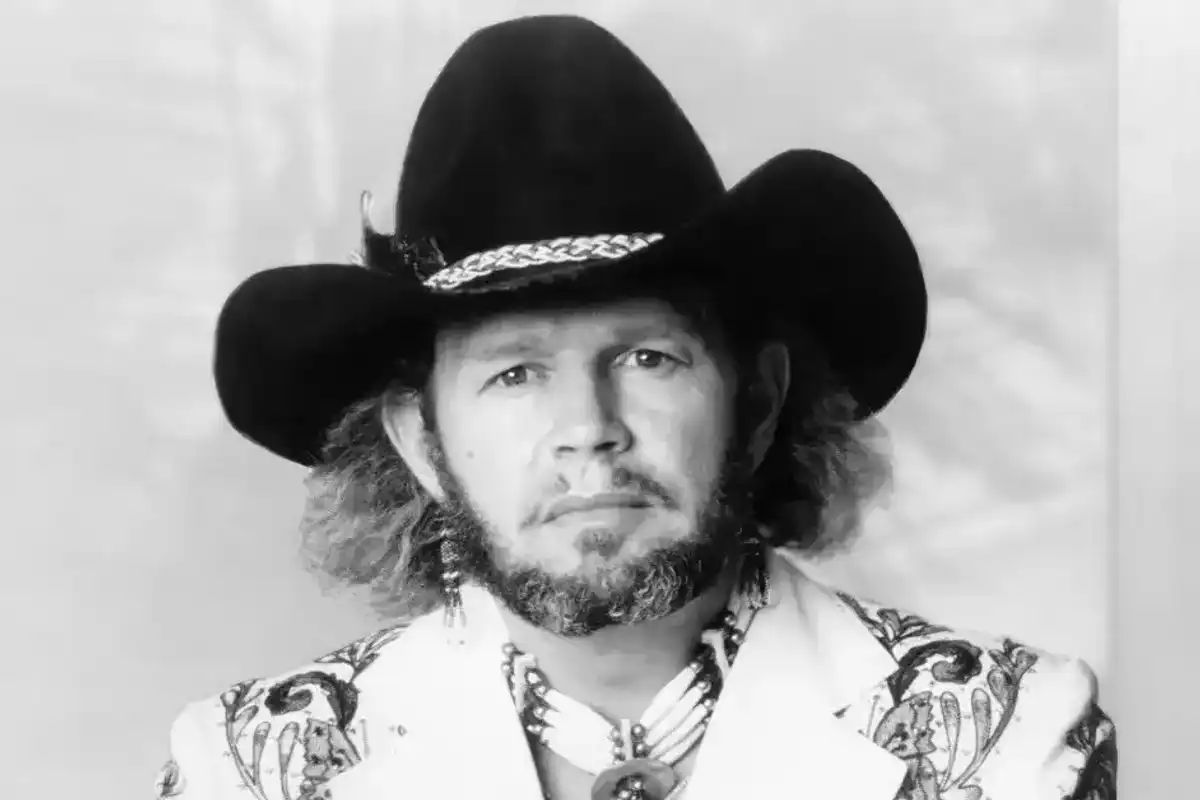
Photo of David Allan Coe circa 1970.
David Allan Coe, a standout in the pack that was country music’s outlaw movement in the 1970s, whose music reached a loyal following that has grown into something bordering on cult status, has died at 86, according to various published reports.
The controversial artist wasn’t a prolific mainstream hitmaker, but he played to the beat of his own drum. With a sound that blended country, rock and blues, he landed eight singles in the Top 40 on the Country Singles chart, and is remembered for such songs as “You Never Even Called Me By My Name,” “Mona Lisa Lost Her Smile,” “The Ride,” “If This Is Just a Game,” “Waylon, Willie, and Me,” “Long Haired Redneck.”
Coe’s checkered past made him headline material, from his marriages, to incarceration in his native Ohio Penitentiary, time spent in a hearse parked outside of the Ryman Auditorium, and the release of his infamous X-rated albums, Nothing Sacred and Underground Album, after which critics denounced him as a racist and misogynist, accusations he strongly denied.
Born in Akron in 1939, Coe was raised in a broken home, and by the age of nine was sent to a reform school. His was a life “full of bad luck and misadventure,” reads a biog on the songwriter, published by Sun Records. As a songwriter, he was gifted, and as a performer, charismatic.
Coe would spend the next two decades in and out of various correctional institutions, for crimes including possession of burglary tools and auto theft. Music came to him when he was locked up. In 1967, Coe was a free man and travelled to Nashville to pursue his dream in music.
In the years that followed, he would earn a reputation as one of the more mysterious artists in the genre’s history. Coe could litter his throaty baritone-fueled output with profanities, and with tales of excesses. He was an in-demand songwriter, penning tunes for Billie Joe Spears, Tanya Tucker, and in 1977, Johnny Paycheck bagged a hit with his version of Coe’s song “Take This Job and Shove It,” a song that would soundtrack the 1981 feature film of the same name.
As time marched on, the solo hits dwindled, though Coe was often the subject of colorful stories in the press. In the 2010s, he was in the news for being ordered by the IRS to play more than $980,000 in restitution for obstructing the tax agency. When he was unable to pay, the unverified story goes, Coe sold his house and lived in a cave. Then, in March 2013, he was involved in a vehicle crash in his adopted home, Florida, but after several months shrugged off internal injuries and broken bones and headed back out on tour.
Coe was a constant presence on the road, and at the end of the ‘90s formed an unlikely tandem with Dimebag Darrell, the late guitarist with metal legends Pantera, from which an album was recorded, alongside bassist Rex Brown, and drummer Vinnie Paul. Rebel Meets Rebel didn’t see the light of day until 2006, after Dimebag’s murder. Coe’s rebel spirit caught the attention of Kid Rock, who namechecked the veteran artist in the song “American Badass,” and who invited the veteran musician to open his 2000 concert tour. The friendship became a collaboration. Coe contributed to “Single Father,” housed on Rock’s self-titled 2003 album.
In 2017, Coe appeared in both the song and the video for The Moonshine Bandits’ release “Take This Job,” which he wrote. For the clip, Coe was happy to return to the penitentiary where he was incarcerated. “He had to walk three or four flights of stairs in that creepy old prison. He had to put in a lot of work to make this thing happen. It was just cool,” the Bandits told Billboard at the time. “The relationship we built with him has been so meaningful. I get text messages from him out of the blue. The night before the video, we were in his hotel room sipping on whiskey, and listening to him tell his stories.”
Coe died just after 5pm on Wednesday, April 29, his representative confirmed to PEOPLE in a statement. “David was a Country Music treasure and loved his fans,” his rep said. “Most importantly, he was a true outlaw and A great singer, songwriter, and performer.”