University of Toronto Revokes Buffy Sainte-Marie’s Honourary Law Degree
The university's degree revocation comes nearly three years after the folk singer was investigated for falsifying her Indigenous ancestry.
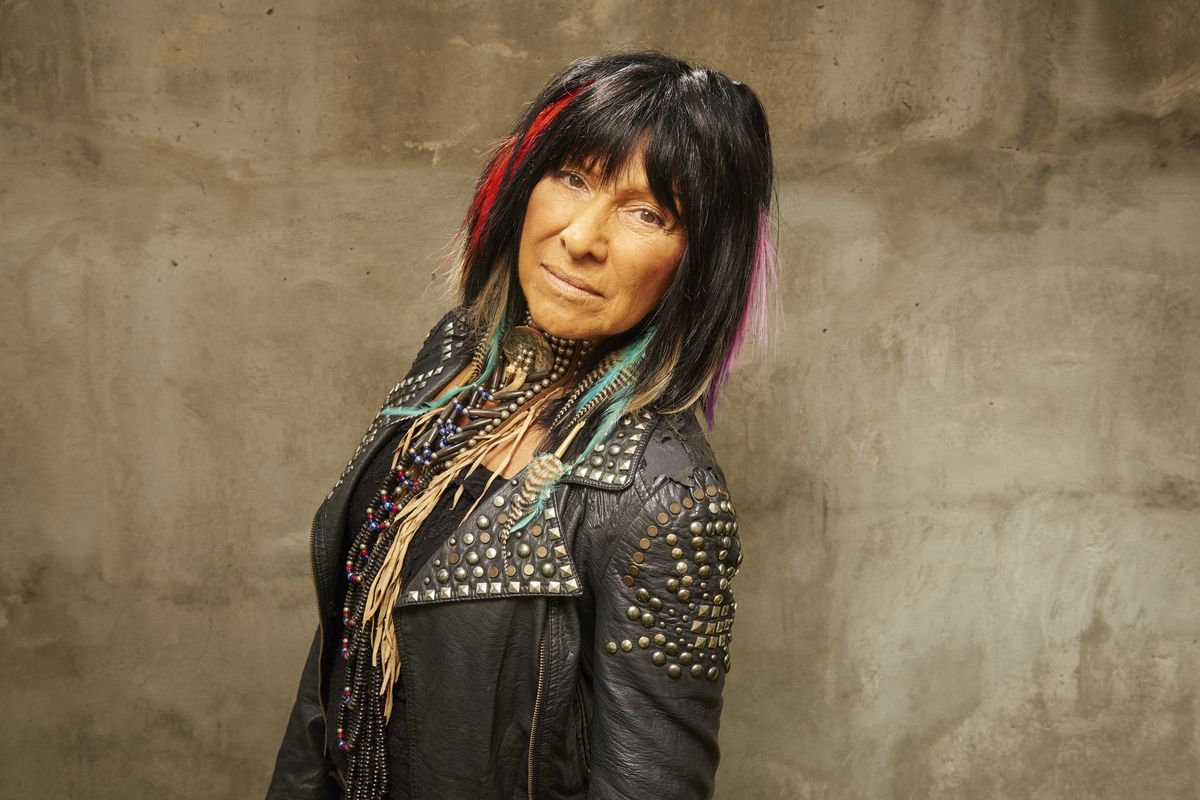
Buffy Sainte-Marie
Buffy Sainte-Marie’s honourary law degree has been revoked by the University of Toronto.
The university posted a bulletin on its website stating that it would be revoking the Doctor of Laws degree, awarded in 2019, from the folk singer, born Beverley Jean Santamaria.
The action followed a petition that was sent to the standing committee on recognition last February. After meeting in April of this year, “the governing council approved the rescindment on May 13, 2026.”
“The Committee unanimously recommended the rescindment of the honorary degree awarded to Buffy Sainte-Marie,” the university wrote. The details of the petition and the reasons for the committee’s decision were not publicly revealed.
Before she received the degree, the university wrote that the musician was being recognized for her “excellence in the arts, as a singer-songwriter, actress and visual artist, as well as for her outstanding service for the public good as a lifelong advocate for the rights and dignity of all people.”
In the 1960s, the folk singer rose to fame in Toronto’s Yorkville music scene, writing the protest anthem “Universal Soldier,” still her biggest song to date. She later won an Oscar for being a co-songwriter on the ballad “Up Where We Belong,” from 1982’s An Officer and a Gentleman.
The decision to rescind Sainte-Marie’s plaque comes nearly three years after an in-depth investigation into the musician’s alleged Indigenous ancestry, conducted by CBC’s The Fifth Estate.
During the process, reporters found a birth certificate that revealed she was born in Massachusetts to Italian-American parents, contradicting previous statements from the singer, who initially said there was no official record of her birth.
In 2018’s Buffy Sainte-Marie: The Authorized Biography, the musician claimed to author Andrea Warner that she was “probably born” in Qu'Appelle Valley, Saskatchewan, to Cree parents and taken from her biological parents when she was a child.
As a part of the CBC investigation, her U.S. family members shared that Sainte-Marie was not adopted and doesn’t hold any Indigenous ancestry.
Since then, the 85-year-old singer has denied the accusations. Due to the revelations, the folk artist was stripped of multiple accolades, including the Order of Canada, the Canadian Music Hall of Fame, multiple Juno Awards and Polaris Music Prizes.
In response to the rescission of her Order of Canada medal in 2025, which she returned “with a good heart,” the artist insisted to Canadian Press that she never denied her U.S. citizenship and was adopted as a young adult by a Cree family in Saskatchewan, stating her “Cree family adopted me forever and this will never change.”
This is the second honourary degree that Sainte-Marie has been stripped of this year. In January, Halifax’s Dalhousie University rescinded the accolade after a Mi’kmaw medical student, Aaron Prosper, raised questions about the ethics of the singer maintaining the honour.
In an email to the university’s senate committee, Prosper wrote the revelations about the musician’s Indigenous identity claims brought forth “many mixed emotions.”
Sainte-Marie has not publicly responded.
- Polaris Music Prize Rescinds Buffy Sainte-Marie's Two Awards ›
- Junos and Polaris Prize Release Statements on Buffy Sainte-Marie's Awards Following Order of Canada Cancellation ›
- Juno Awards Revoke Buffy Sainte-Marie's Wins and Canadian Music Hall of Fame Induction ›
- Buffy Sainte-Marie Has Her Order of Canada Terminated Following Investigation Into Indigenous Ancestry ›