
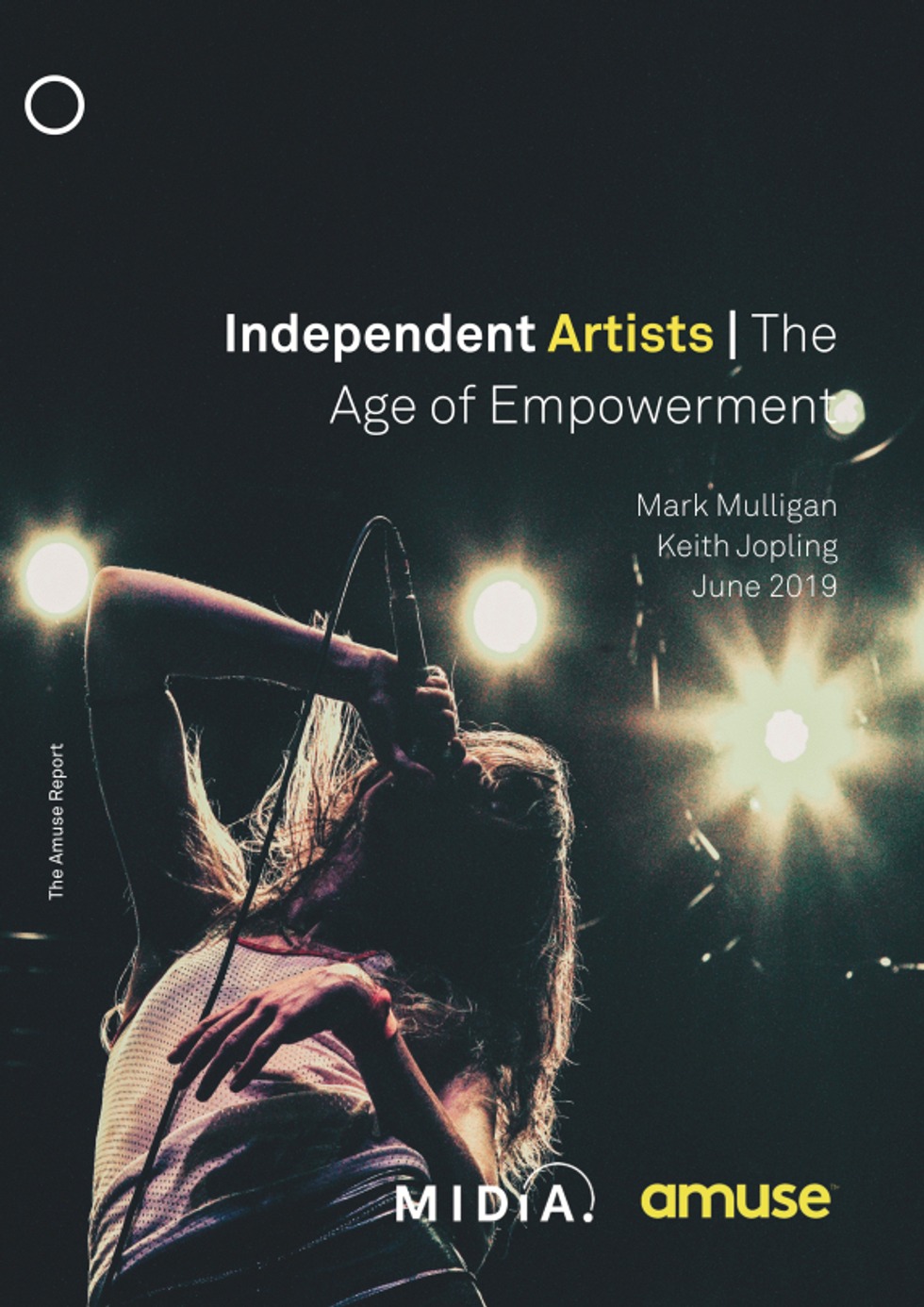
Independent Artists: The Age of Empowerment
Record labels often worry about streaming services disintermediating them, but they should be more concerned about artists disintermediating them themselves.
By External Source
Record labels often worry about streaming services disintermediating them, but they should be more concerned about artists disintermediating them themselves. With all of the tools and services at their disposal, artists have the ability to create their own bespoke labels. In this ‘label as a service’ world, record labels have to define a new role for themselves, one in which artists will place ever greater focus on retaining creative and commercial independence. Signing a traditional record label deal is now just one option among many for artists.
Culture first, cash second. Artists’ definition of success is very much culture first, then cash. They are looking for respect and recognition first and foremost. With this respect and recognition, they can become viable touring acts with the chance to earn loyal fan bases.
advertisementLabels are not a prerequisite. Artists now view labels very much as one possible means to an end. Less than a third of label artists consider it important to get signed to a record label, while for independent artists (i.e. those without record labels) the rate rises to a little over a half.
Earnings are the biggest obstacle. It is just as well that artists take a culture first, cash second attitude as most artists should not expect to earn a living from music without something close to divine intervention. Nearly three quarters of independent artists earn less than $10,000 a year from music, and average incomes are also low even for signed artists.
Artists’ income streams vary widely. Streaming income, along with earnings from live performances, make up the majority of artist revenues today. For independent artists, streaming is now their primary source of income at 30%.
Signing to a label is not enough for artists’ financial security. Being signed to a label often does little to ease an artist’s financial woes. Overwhelmingly, both independent and label artists do not feel that they earn enough from music to not worry about their financial situation.
advertisementDon’t give up the day job: Most artists have plural careers. Whether signed to a label or not, over two thirds of artists feel they will have to keep up other work alongside making music in order to make ends meet.
The age of artist empowerment has arrived. Despite the challenges of a music career, the vast majority of artists now feel they have more control over their careers than ever before. With their choices both increasing and improving, nearly two-thirds of artists have a positive outlook about their career paths.
Artists want to listen. The modern-day artist has flexibility and freedom to make choices – but how do they make the right choices? While the vast majority of artists do not want to lose creative control, most of them are open to influence and advice about their creative direction.
The above content is taken from a synopsis from MIDia's new report, released in conjunction with Amuse – Independent Artists: The Age of Empowerment. The report is based on a global survey of independent artists that we conducted earlier this year, with respondents from all of the world’s continents. The full report is immediately available for free download here.









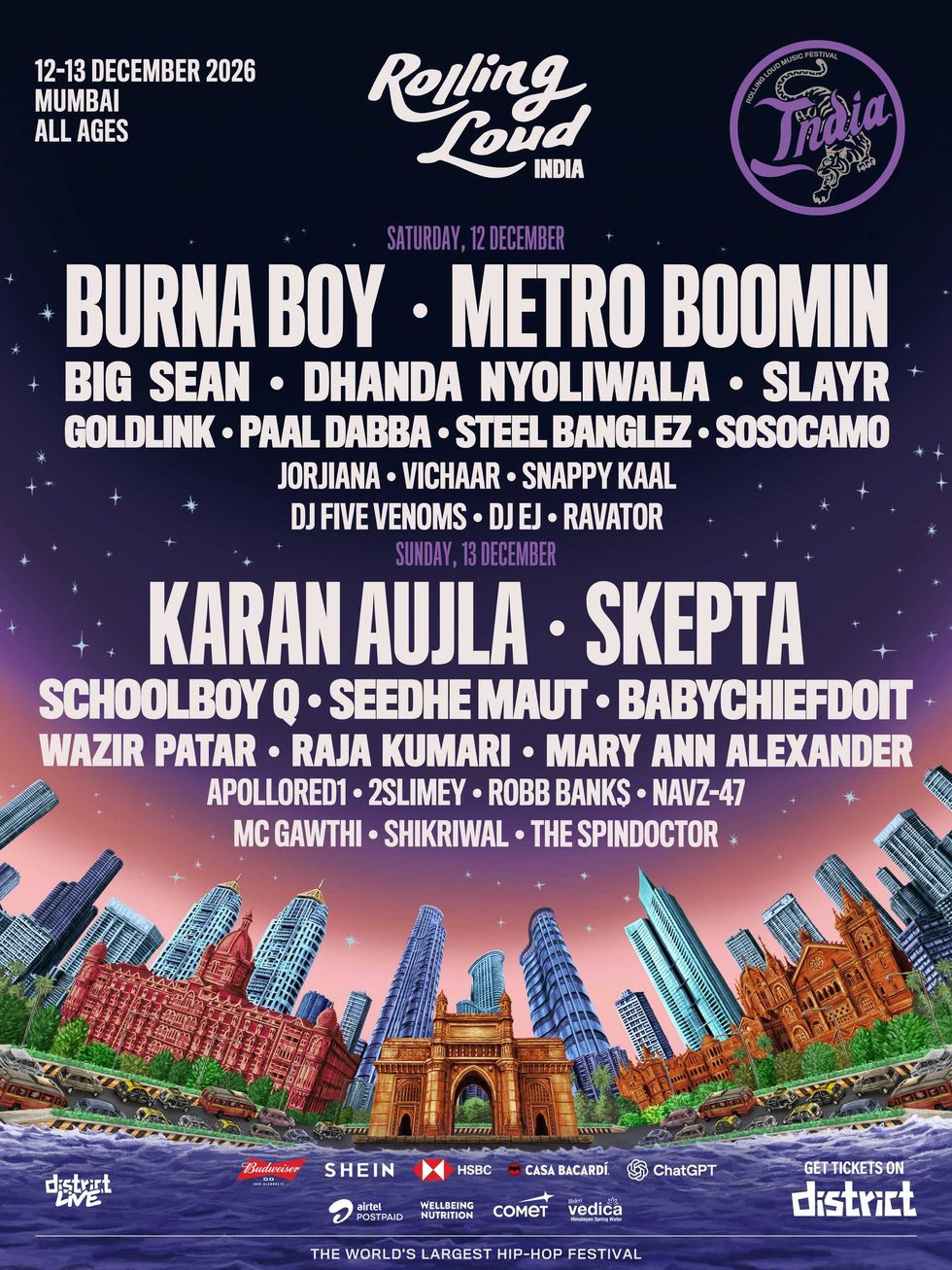 Rolling Loud India 2026 lineupRolling Loud