Here Come The Beatles
After viewing the trailer for Peter Jackson’s forthcoming film on the Beatles—Get Back (November 25, Disney), I bought into the Disney+ channel.
By Bill King
After viewing the trailer for Peter Jackson’s forthcoming film on the Beatles—Get Back (November 25, Disney), I bought into the Disney+ channel. Honestly, I have observed that clip a dozen times and marvel at the sound and print restoration. A neighbour of mine jumped off his bike yesterday and waved me over. “Have you seen Get Back—the trailer? I can’t stop watching? The Beatles are alive again.”
I’ve also been happily immersed in Disney property - McCartney 3,2,1— with producer/engineer Rick Rubin jumping down the Beatles' rabbit hole. I realize I’m late to this, but I’m also late to the Disney Channel since I have Netflix and Amazon Prime and ask myself how much more I should invest in television viewing. This is on top of football and basketball.
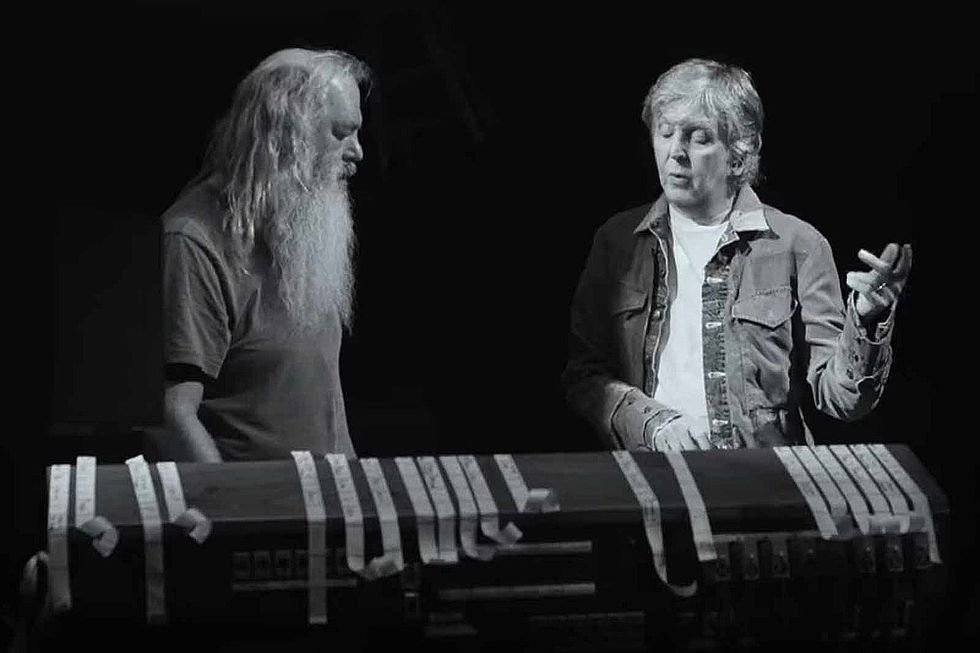
McCartney 3,2,1 ups my reverence for the creative process and the innovative techniques behind each Beatles' recording. With Rubin in front of a console, tape everywhere, McCartney and Rubin juggling the faders is something to witness. I don’t know how they separated the vocals from the instruments since everything was two or four-track and bounced in the early ‘60s.
What strikes me is the clarity and purpose of each part. McCartney’s baselines are lead lines and perfect. The many modifications of guitar sounds give us a view of what was to come in popular recording techniques. There is no one set sound. Instead, each tone is exploited to enhance the song. The Beatles were essentially a studio band, one that spent long, gruelling hours sorting out the material. As McCartney says, The Beatles had already put in 10,000 hours before they hit overseas.
Shot in black in white, the lighting keeps things intimate. With one overhead diffuser. Paul is articulate and quick to recall the circumstance behind every recorded part. The piccolo trumpet in Penny Lane—the story behind Eleanor Rigby – and the kicker–the Sergeant Pepper’s Lonely Hearts Club Band’s break down. The individual parts are breathtaking.
We mostly think of the Beatles as a soft, lightweight presence on the rock scene, but listen to the band – the guitars, Ringo’s exquisite drumming, Paul’s soulful brilliant bass lines and the groove. The Beatles were a certified groove band. Every track lopes along in the pocket–a sweet, sweet pocket. George’s sonic gifts were the summation of everything played on guitar before. The crunching vibe of Hound Dog Taylor, the clean jazz side of Wes Montgomery and rhythm slashes of Charlie Christian and Robert Johnson. A thing of beauty!
McCartney 3,2,1 is now playing on Disney. Treat yourself to a profound reckoning. Things ain’t like they used to be!