advertisement

Billboard is a part of Penske Media Corporation. © 2023 Billboard Media, LLC. All Rights Reserved.

advertisement


Latest News





advertisement
BILLBOARD CANADA FYI
A weekly briefing on what matters in the music industry
By signing up you agree to Billboard Canada’s privacy policy.





advertisement
advertisement
Laura Jane Coulson
Harry Styles
Pop
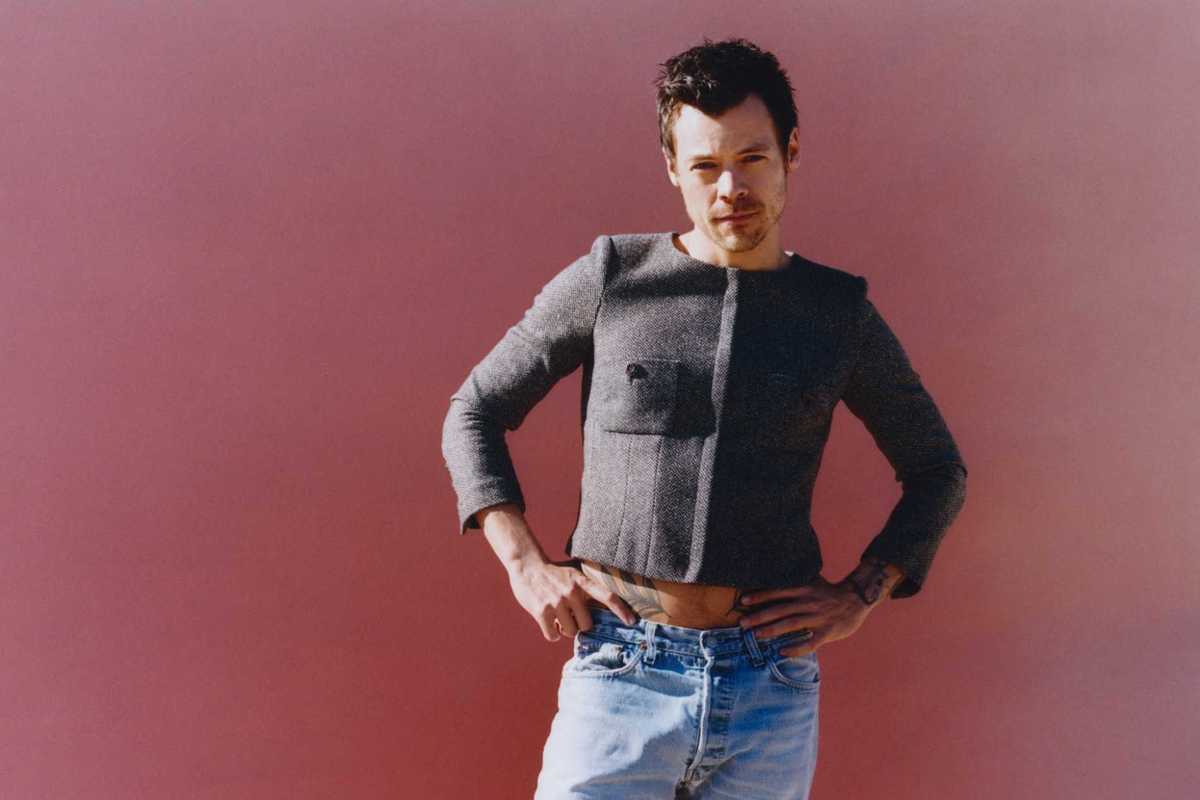
Harry Styles Quietly Reveals He’s Releasing a New Music Video for a Fan-Favorite Song
Even the fans who were actually at Madison Square Garden on Saturday (Oct. 24) might've missed Styles' nonchalant announcement.
18h
There’s a new Harry Styles music video coming up on Monday (Oct. 26) — for a song many fans have been raving about since they first heard it.
Styles is releasing a “Coming Up Roses” video.
The news comes straight from the star’s lips, live on stage at the famous Madison Square Garden, via an awfully casual and quiet announcement during night 27 of his 30-night concert residency Saturday night (Oct. 24).
Fan footage captured the moment on video, though one might need to rewatch the clip with the volume turned up high to make sure they’ve heard what they think they heard.
advertisement
“‘Coming Up Roses’ video on Monday,” Styles said nonchalantly while seated at his piano in New York City on Saturday. The under-his-breath comment made the rounds online post-show, and by Sunday, the Spotify Canvas video clip for “Roses” was updated with a short clip of two sets of feet looking hesitantly ready to dance.
A “Coming Up Roses” video would be the fourth one to come from the Billboard 200 No. 1 album Kiss All the Time. Disco, Occasionally, following Styles’ visuals for Hot 100 No. 1 “Aperture,” “American Girls” and “Dance No More.”
A beloved, poignant piano-with-strings-section ballad with regular placement on Styles’ tour setlist, “Coming Up Roses” was an immediate favorite for many fans upon first listen of Kiss All the Time in March.
Styles’ historic run at MSG wraps on Halloween; nights 29 and 30, on Oct. 30-31, are dubbed the “Harryween” shows. Last weekend Billboard confirmed that there’s a documentary in the works on the experience, directed by John Wilson (How to With John Wilson, The History of Concrete) and produced by Universal Pictures Content Group, Peanut World Pictures and Styles.
Future Together, Together tour dates bring Styles to Melbourne, Australia, in November-December, and then back to the U.S. thanks to a tour extension into 2027, when Styles will take the show to Phoenix, Dallas, Los Angeles, Toronto, Atlanta and Chicago in the spring, and then over to Europe in the summer.
advertisement
keep readingShow less
advertisement
Popular
advertisement
Published by ARTSHOUSE MEDIA GROUP (AMG) under license from Billboard Media, LLC, a subsidiary of Penske Media Corporation.
advertisement