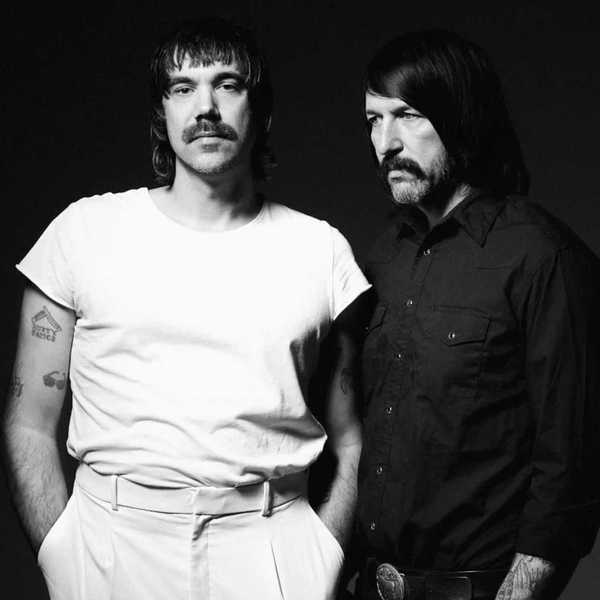
'When I'm Back in Toronto': The Beaches Put Their Spin on Djo's 'End of Beginning'
The Canadian quartet turn the viral alt-rock song into a Springsteen-esque '80s ballad for Australian broadcaster Triple J's Like a Version series.
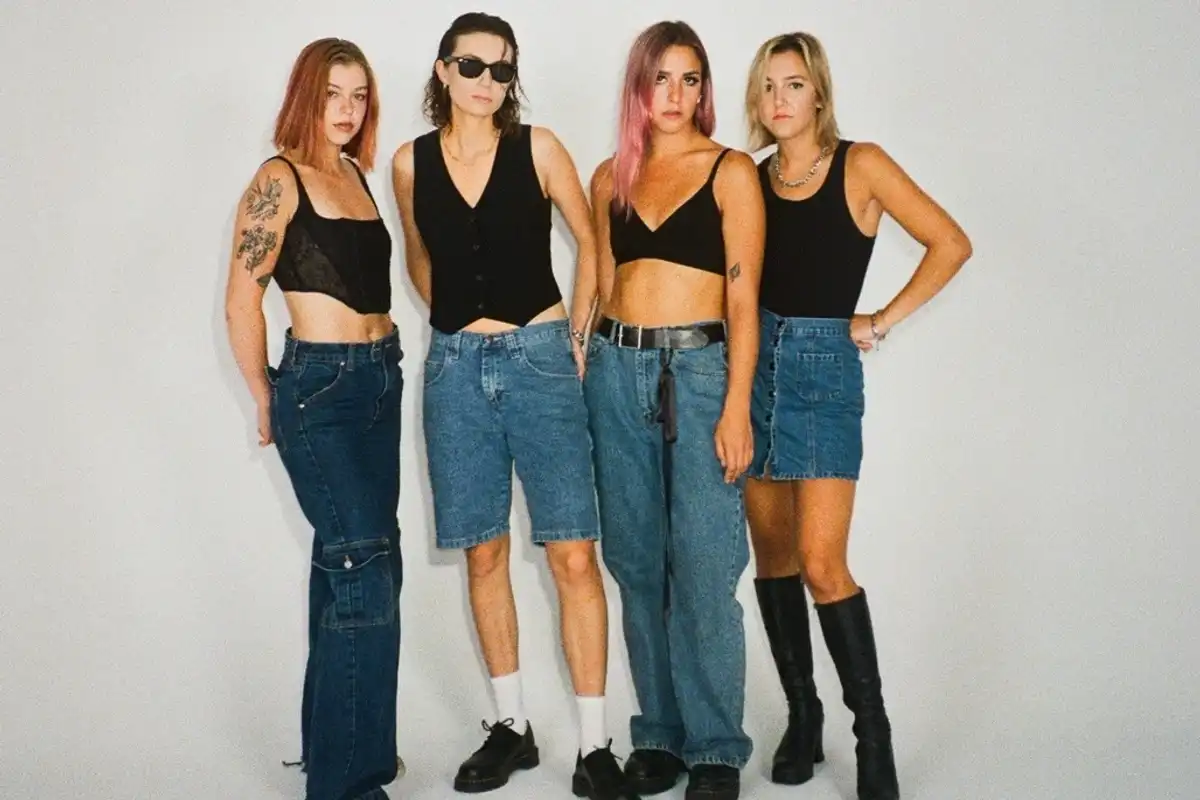
Canadian pop rockers The Beaches stopped by the Triple J studio in Sydney, Australia to record their take on a viral hit.
For the popular cover series Like a Version the band decided to try on "End of Beginning" by Djo, a nostalgic alt rock tune that hit No. 1 on the Billboard TikTok Top 50 in February. They bring their reverb-heavy '80s sound to the track, giving it a more anthemic edge. On the bridge, lead singer Jordan Miller taps into a Springsteen-ian energy as she sings the refrain: "you take the man out of the city / not the city out the man."
Guitarist Kylie Miller explained that the band has been following Djo — aka Stranger Things' Joe Keery — for his acting work, but fell in love with "End of Beginning" and its reflections on missing home.
"I think it just made sense for us to cover this song while we are the farthest we’ve ever been from home," Miller said.
Though Keery sings about Chicago, The Beaches opt for a cheeky lyric change in the final chorus, shouting out their hometown instead: "And when I'm back in Toronto / I feel it," Miller sings.
Watch the performance below.