Canadian Woman Dies at Belgium’s Tomorrowland Music Festival
The Antwerp public prosecutor's office is investigating the cause of death.
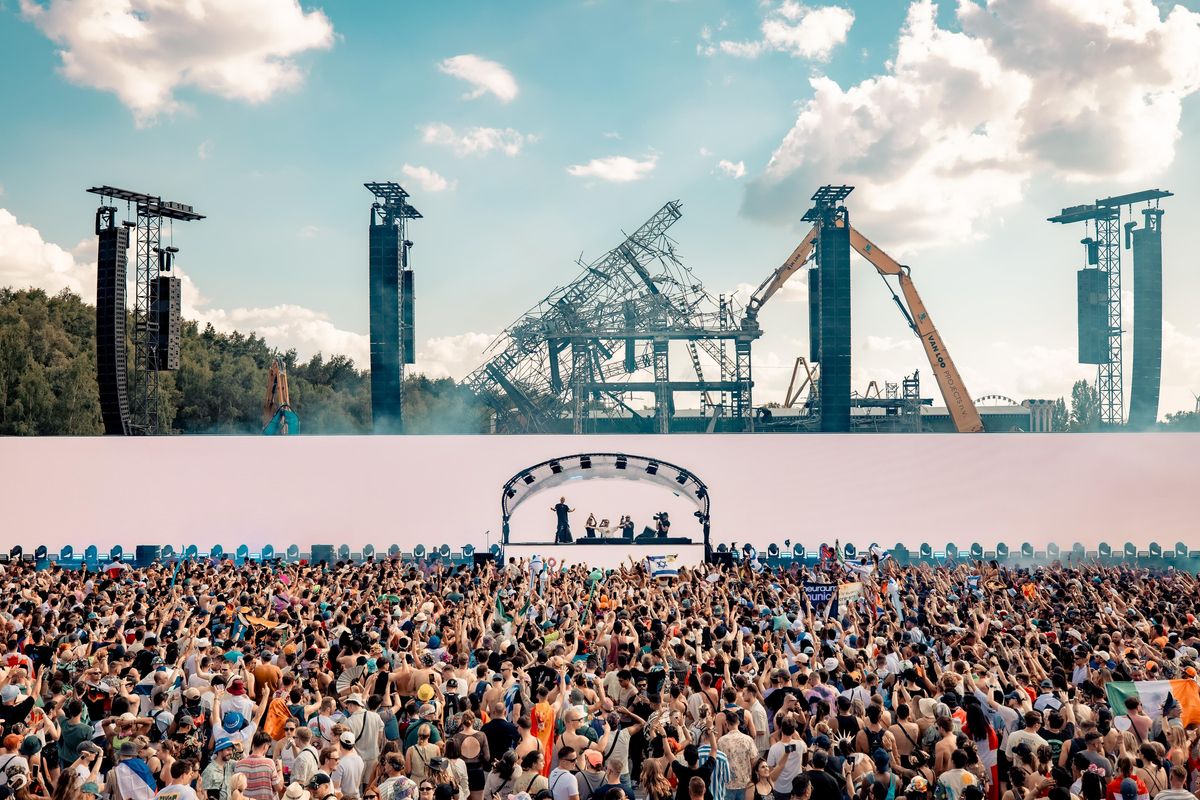
Tommorrowland Music Festival 2025
A Canadian woman has reportedly died after attending the Tomorrowland music festival on Friday (July 18).
The unnamed 35-year-old “became unwell on the festival grounds” at the event’s opening night in Boom, a small city outside of Antwerp, according to a statement from Tomorrowland spokeswoman Debby Wilmsen to the Canadian Press.
She “received first aid on site,” and was taken to the University Hospital of Antwerp, where she later died on Saturday morning (July 19).
“This morning, we were saddened to learn of her death. Our thoughts are with her family, friends, and loved ones,” said Wilmsen.
Currently, Belgian authorities are investigating the woman’s death at one of the world’s largest electronic music festivals.
Global Affairs Canada said it is aware of reports that a Canadian woman has died in Belgium, but would not release information due to privacy considerations.
The news comes after Tomorrowland’s main stage was destroyed by fire on July 16, casting doubt on the festival. The following day, they opened the festival as scheduled with an alternative stage still under construction.
Tomorrowland draws electronic music enthusiasts from all over the world. This year's event features DJs like David Guetta, Martin Garrix, Eric Prydz, Sofi Tukker, Lost Frequencies, Charlotte de Witte and many more.
Tomorrowland runs across two weekends, July 18-20 and July 25-27, and is expecting about 400,000 attendees this year.