SamaritanMag Q&A With…Pianist Jean-Michel Blais
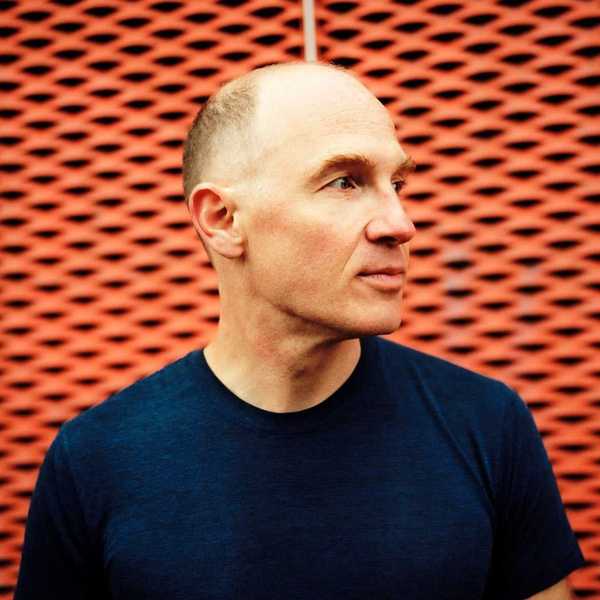
Quebec composer Jean-Michel Blais is doing something extremely unlikely in 2018 — making classical piano cool again. He also suffers from Tourette Syndrome, and in this interview, he discusses how it affects him.

By Aaron Brophy
Quebec composer Jean-Michel Blais is doing something extremely unlikely in 2018 — making classical piano cool again. Buoyed by hip record label Arts & Crafts (home to the likes of Broken Social Scene and Feist), Blais' latest album, Dans ma main, has earned him comparisons to high-profile modern composers like Gonzales and Yann Tiersen.
Blais also happens to have Tourette Syndrome, the neurodevelopmental condition that can cause "sudden, intermittent, repetitive, unpredictable, purposeless, nonrhythmic, involuntary movements or sounds," most commonly referred to as "tics," according to Tourette.ca.
Music — playing it, composing it, listening to it — has had a deep impact on his symptoms. Quite simply, when he's playing music all of Blais' tics disappear.
As someone who feels a need to help people, Blais has spent time with disadvantaged kids at summer camps when he was young, worked at orphanages in South America and spent time as a special needs educator back home in Montreal. Having transitioned to a full-time musical career, it's only now that Blais has begun discussing the ways in which Tourette Syndrome affects him.
Speaking to Samaritanmag while on tour in Los Angeles, Blais discussed the misconceptions around Tourette Syndrome, learning to control the tics, when he first noticed that playing music stopped them, the need to help others, and what it feels like when you start involuntarily winking at a television host.
To continue reading the SamaritanMag Q&A with Jean-Michel Blais link here.