PETA Wants Aretha Franklin's Fur Coat Collection
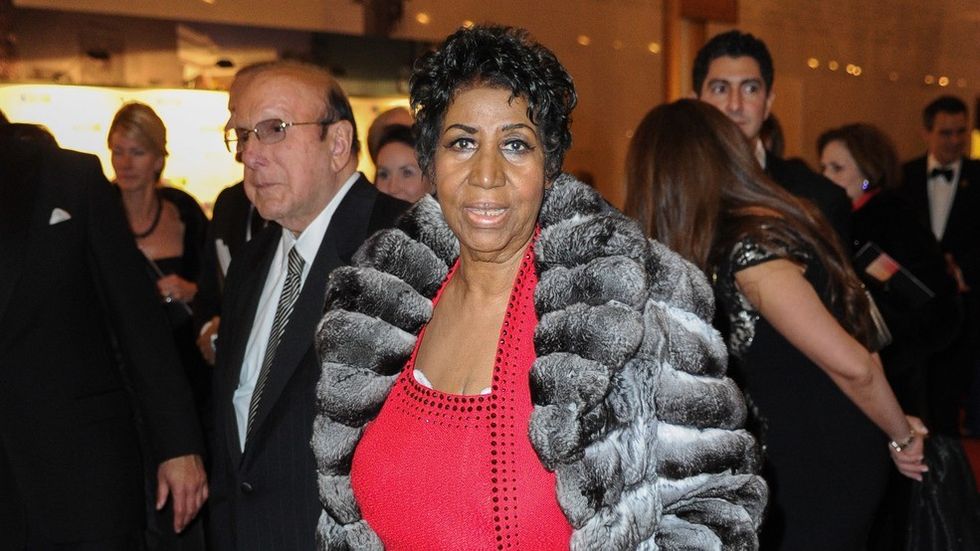
Aretha Franklin was known for wearing elegant fur coats on stage and then dropping said coats off her shoulders and to the ground during particularly dramatic moments of the songs she was singing.
By Aaron Brophy
Aretha Franklin was known for wearing elegant fur coats on stage and then dropping said coats off her shoulders and to the ground during particularly dramatic moments of the songs she was singing.
Now the People For Ethical Treatment Of Animals (PETA) are hoping those responsible for Franklin's estate will shrug off the singer's collection of fur coats as part of their "Donate Your Fur To PETA" campaign.
PETA repurposes the furs they receive in a number of ways, including using them at wildlife rehabilitation centres as bedding for orphaned animals, as well as giving them to homeless people and refugees in Afghanistan and Iraq. Donating furs to PETA is tax-deductible.
The animal rights organization recently sent an open letter to Franklin's niece Sabrina Garrett Owens asking her to consider giving her aunt's furs to PETA. Franklin died on August 16 at age 76 due to pancreatic cancer.
"We’re so sorry for the loss of your aunt," starts the letter from PETA executive vice president Tracy Reiman. "The world has lost an amazing talent, and we’re grateful that her music will live on.
– Continue reading Aaron Brophy's story on the Samaritanmag website.