Five Questions With… Raoul Bhaneja
The busy musician, actor, and Maple Blues Awards host has a new project Blue Standard, alongside Jesse Whiteley. Here he discusses its creation, the approach taken on their debut album, early musical memories, and a new acting gig.
By Jason Schneider
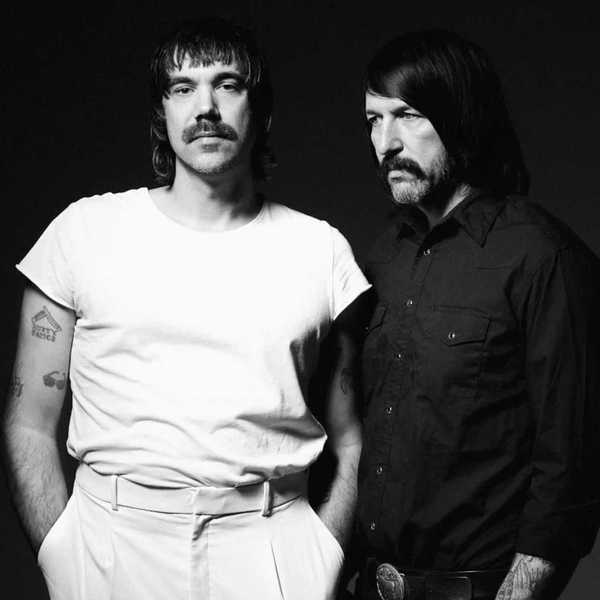
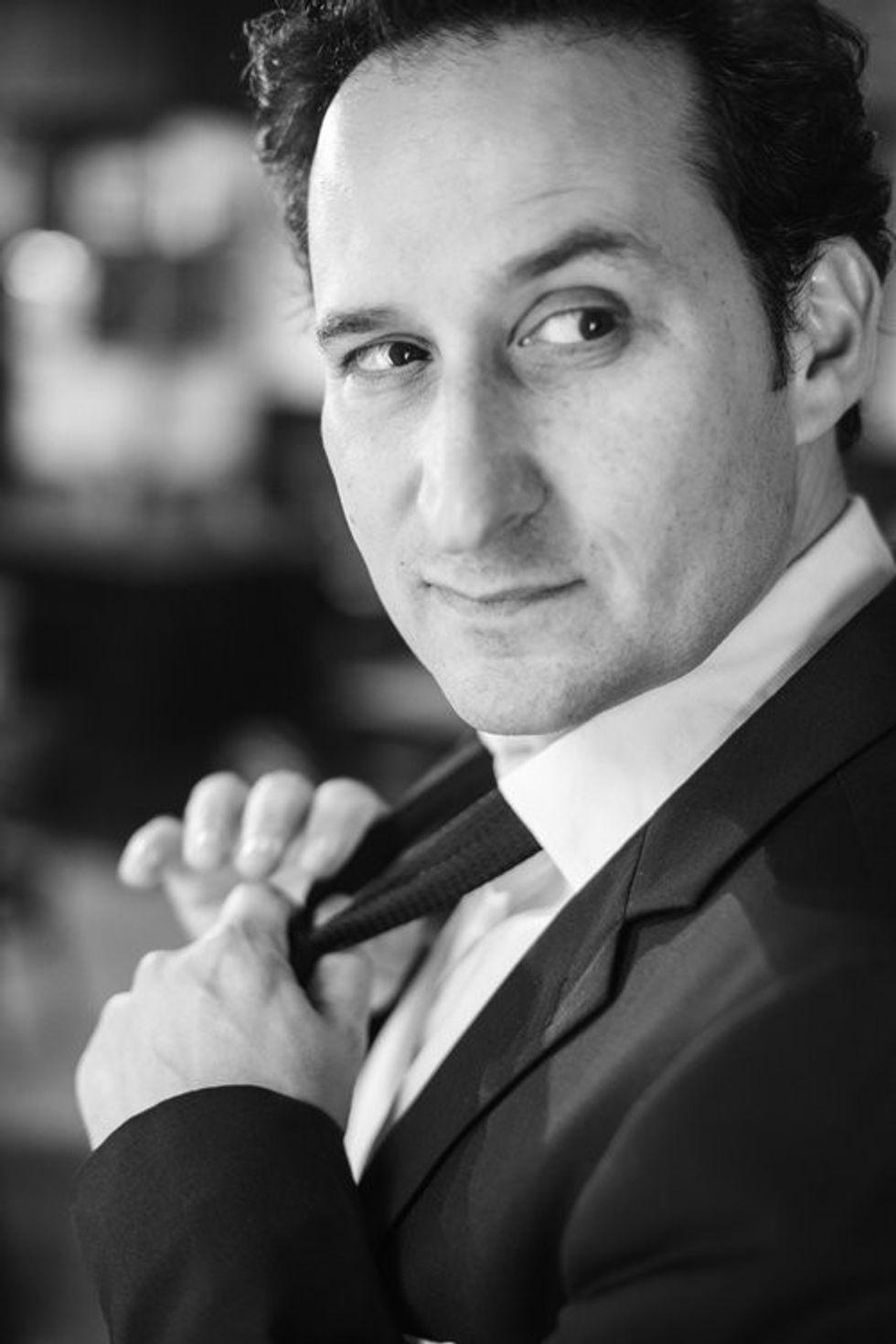
Blue Standard is a new collaboration between one of Canada’s leading blues singers and harmonica players, and the youngest member of the first family of Canadian roots music. The project formed last year in Toronto when Raoul Bhaneja of Maple Blues Award-winning band Raoul and The Big Time reached out to Jesse Whiteley, the prodigious pianist and arranger.
Performing as a duo, they chose to focus on their favourite songsplayed by legends such as Joe Williams, Chet Baker, Nat King Cole, and Jimmy Scott, as well as some original material they've created over the years.
Their efforts can be heard on the recently released debut Blue Standard album A Good Thing, containing 12 songs including “When Did You Leave Heaven,” “You’re Nobody Until Somebody Loves You,” and “Crazy Rhythm.” Recorded live off the floor with no overdubs in one day last September at Canterbury Music Company in Toronto, the album is a charming throwback to a simpler era in music, while highlighting precisely what makes these songs timeless.
As many also know, Raoul Bhaneja is an accomplished actor who has appeared in more than 100 films, television and theatre projects, and who will also be hosting the 22nd annual Maple Blues Awards on Monday, Feb. 4 at Toronto’s Koerner Hall. To hear more of Blue Standard’s A Good Thing, go to bluestandardjazz.com.
What makes Blue Standard different from your past work?
For the last number of years I've been mulling over songs that are more "jazz" than "blues", and I was looking for an opportunity to perform them as my longtime outfit Raoul and The Big Time. While we incorporate a lot of jazz in our sound, the full band wasn’t really the right fit for some of the material.
How did the project ultimately come together?
When Jesse Whiteley agreed to come on board, I knew we really had something. He's a fine piano player, accompanist and arranger. We just started playing and rehearsing and finding the songs that we thought would work and within a few months, we took the step to go into the studio and now we have a record we are proud of.
Do you have any favourite tracks on the album?
I think the title track is one I care for a lot. While it's “standard” in one way, it's not a song people know as well as some of the others on the record. I also love the lyrics and the fact that it's a love song about meeting someone a little later in life and that being the right time.
What are your fondest musical memories as you were growing up?
One of my inspirations for Blue Standard is without a doubt my mother, who was always singing around the house and who has an encyclopedic knowledge of standards. She inspired me, and the fact that she loves this album is all the praise I need.
Are there any upcoming acting projects you can talk about?
I'm excited to be shooting a guest spot on a series for NBC called Blindspot in New York City, and that should be on later this year.