By External Source
Maky Lavender
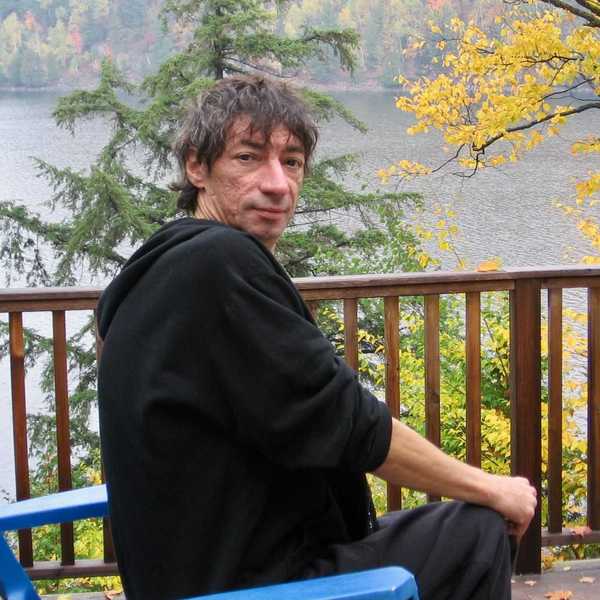
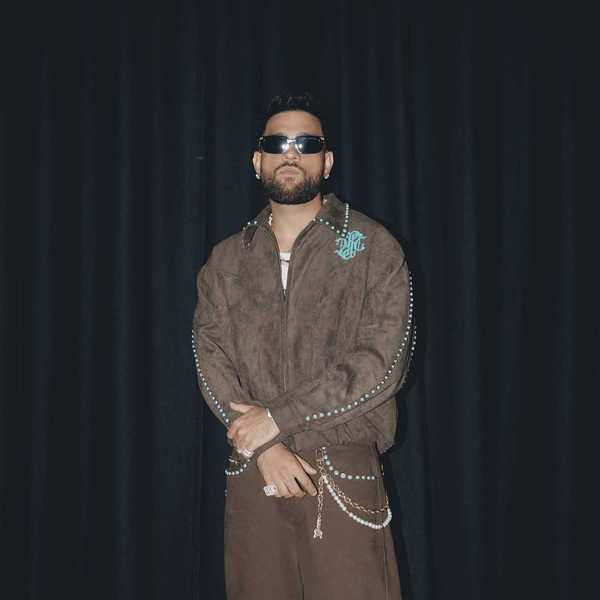
Born in Montréal’s Pierrefonds neighbourhood, Maky Lavender caught the hip-hop bug a few years ago, after watching the evolution of Québec’s prolific beat-making scene. Inspired by the music of High Klassified, Kaytranada, and Tommy Kruise, the young rapper was filled with a burning desire to be part of a world seemingly so distant and out of reach. “I was from the West Island,” he says. “In my mind, it was impossible to be on par with those guys. But I didn’t give up. I started by gaining the respect of people in my neighbourhood, and I enrolled in a school for sound professionals. Shortly after, I heard that [rapper and member of The Posterz] Nate Husser was looking for a sound engineer, and I began working with him. That was a big boost to my confidence. I owe him a lot.”
After a few embryonic projects, Lavender stepped into the light in September of 2017 with an EP, Blowfoam 2, that attracted the attention of up-and-coming label, Ghost Club Records. Since then, this Jack-of-all-trades – as confident on the mic as he is a beatmaker and sound engineer – has asserted himself as one of the most well-rounded players of the Québec rap scene. His charisma is highly contagious, and he’s a peerless master of self-deprecation. His humility is like a breath of fresh air in an environment where overblown egos are all too common.
Continue reading the article conducted by Olivier Boisvert-Magnen on SOCAN’S Words and Music Website.