Drake Withdraws Legal Action Accusing UMG and Spotify Of Boosting Kendrick’s ‘Not Like Us’
Two months after he shocked the music world, the star has withdrawn accusations of an illegal "scheme" using bots and payola to pump up Lamar's diss track - without explanation.
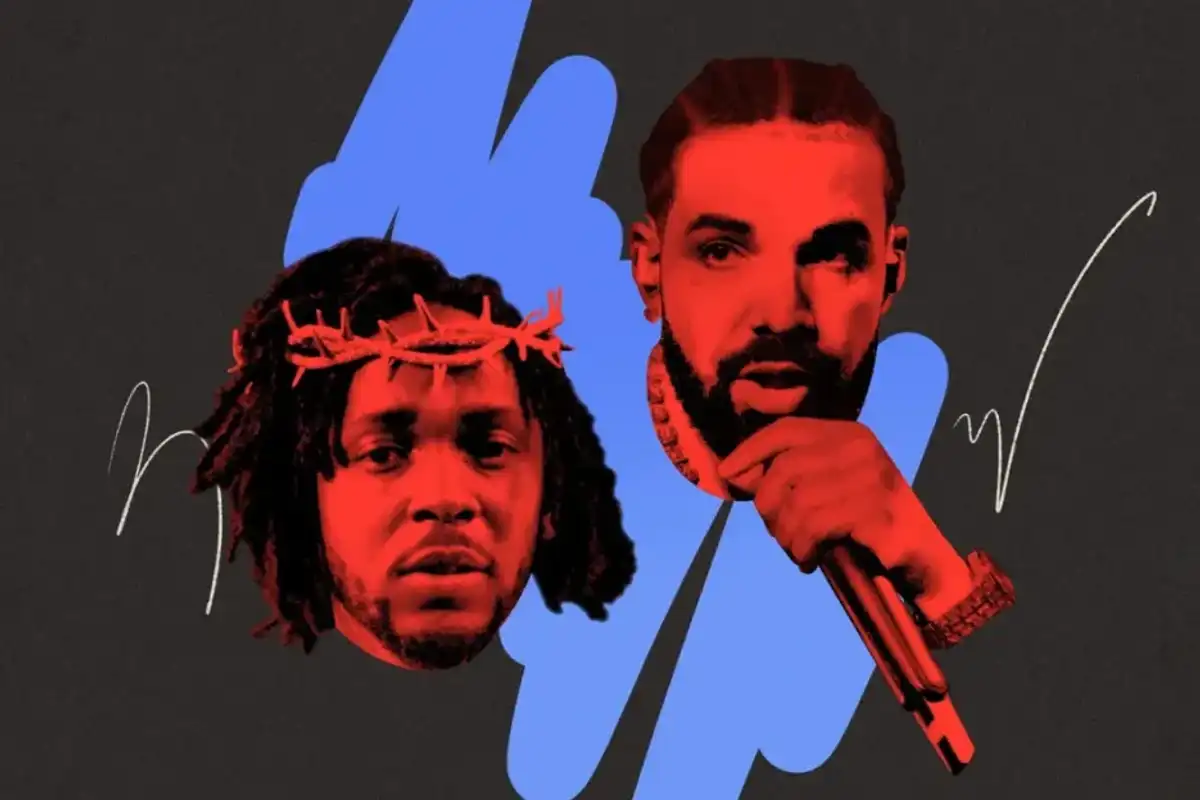
Kendrick Lamar and Drake
Drake has dropped his legal action accusing Universal Music Group (UMG) and Spotify of artificially inflating the popularity of Kendrick Lamar’s diss track “Not Like Us,” less than two months after he first filed it.
The action, filed in November, accused UMG and Spotify of an illegal “scheme” involving bots, payola and other methods to pump up Lamar’s song — a track that savagely attacked Drake amid an ongoing feud between the two stars.
But in a filing Tuesday (Jan. 14) in Manhattan court, Drake’s company Frozen Moments LLC said it would voluntarily withdraw the action “without costs to any party.” Another similar petition, filed in Texas against UMG and iHeartRadio alleging Lamar’s song was defamatory, remains pending.
An attorney for Drake did not immediately return a request for comment. A spokesman for UMG declined to comment. A representative for Spotify did not immediately respond to a request for comment.
Drake shocked the music industry in November when he went to court — a remarkable twist in a high-profile beef that saw Drake and Lamar exchange stinging diss tracks over a period of months earlier in the year. That a rapper would take such a dispute to court seemed almost unthinkable at the time, and Drake has been ridiculed in some corners of the hip-hop world for doing so.
The actions also represented a stunning rift between Drake and UMG, where the star has spent his entire career — first through signing a deal with Lil Wayne’s Young Money imprint, which was distributed by Republic Records, then by signing directly to Republic.
The New York petition accused UMG of violating the Racketeer Influenced and Corrupt Organizations Act, the federal “RICO” statute often used against organized crime. He accused Spotify of participating in the scheme by charging reduced licensing fees in exchange for recommending the song to users. A day later, he filed a similar action in Texas, suggesting that UMG had legally defamed him by releasing a song that “falsely” accused him of being a “sex offender.”
The filings were not full-fledged lawsuits, but rather “pre-action” petitions aimed petition seeking to secure information so that a full lawsuit can be filed.
UMG had not yet responded to either action. But in a stinging response last month, Spotify called the allegations “false” and flatly denied that it struck any deal with UMG to support Lamar’s song. And the company took aim at the unusual way he filed the allegations, saying he had done so because his allegations were too flimsy to pass muster in an actual lawsuit and would have been quickly dismissed: “This subversion of the normal judicial process should be rejected.”
In Tuesday’s filing, attorneys for Drake said they had met with both UMG and Spotify ahead of the withdrawal. Spotify had “no objection” to the dismissal, according to the filing, but the record “reserved its position” about whether it would challenge the move in some way.
This article was originally published by Billboard U.S.
- Drake Files Appeal to Revive Defamation Case Over Kendrick Lamar’s ‘Not Like Us’ | Billboard Canada ›
- Drake Drops Booking Agent He Shared With Kendrick Lamar | Billboard Canada ›
- UMG Blasts Drake Appeal in Lawsuit Over Kendrick Lamar’s ‘Not Like Us’: ‘That Is Not the Law’ | Billboard Canada ›
- Drake Appeal in ‘Not Like Us’ Case Slammed by Legal Scholars: ‘It Is Dangerous’ | Billboard Canada ›
- Drake’s ‘Not Like Us’ Lawsuit Appeal Gets December Court Date for Battle With UMG | Billboard Canada ›