Drake Files Appeal to Revive Defamation Case Over Kendrick Lamar’s ‘Not Like Us’
The superstar isn't ready to concede defeat after a judge dismissed his lawsuit against UMG over diss track lyrics that labeled him a "certified pedophile."
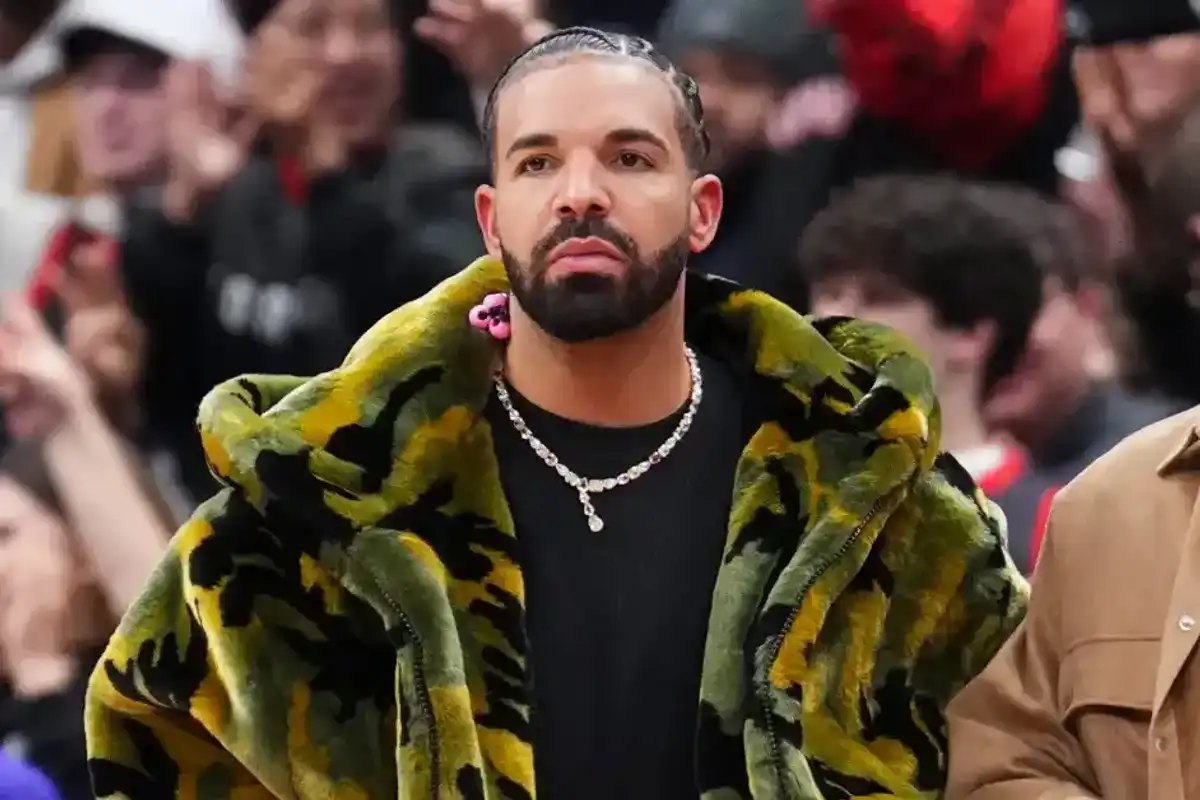
It ain’t over yet: Drake has formally launched his appeal of a court ruling that dismissed his defamation lawsuit against Universal Music Group (UMG) over Kendrick Lamar’s diss track “Not Like Us.”
The move on Wednesday is the first step aimed at reversing that ruling, in which a federal judge ruled earlier this month that Drake could not sue over Kendrick’s lyrics that called him a “certified pedophile.” The star’s lawyers, who say millions of fans took that claim literally, had already vowed to appeal the decision.
It could take well over a year for the appeals court to rule on Drake’s case, prolonging a messy legal drama that has captivated the music industry and, at times, drawn ridicule in the hip-hop world. If the appeals court sides with Drake, it could mean years more litigation after that.
In his new court filing, Drake formally stated his intention to appeal, but did not include any detailed arguments on how he will do so. Such arguments are made in later briefs at the appeals court, where lawyers for both sides will eventually make their case.
A rep for Drake told Billboard on Wednesday: “This confirms our intent to appeal, and we look forward to the Court of Appeals reviewing that filing in the coming weeks.” A spokesman for UMG did not immediately return a request for comment.
Lamar released “Not Like Us” in May 2024 amid a war of words with Drake that saw the two UMG stars release a series of bruising diss tracks. The song, a knockout punch that blasted Drake as a “certified pedophile” over an infectious beat, became a chart-topping hit in its own right and won five Grammy Awards, including record and song of the year.
In January, Drake took UMG to court over the song, claiming his own label had defamed him by boosting its popularity. The lawsuit, which didn’t name Lamar himself as a defendant, alleged that UMG “waged a campaign” against its own artist to spread a “malicious narrative” about pedophilia that it knew to be false.
Those claims stunned the music industry. Few expected a rapper to respond to a diss track with a lawsuit — a move that drew hackles in the hip-hop world and condemnation from legal scholars. Fewer still expected him to file it against UMG, his longtime record label and the biggest music company in the world.
Just 10 months after Drake filed it, Judge Jeannette Vargas dismissed the case. She said Kendrick’s insulting lyrics were the kind of hyperbolic opinions that cannot be defamatory because listeners would not think they were statements of fact. She said fans didn’t expect to hear “accurate factual reporting” from a diss track “replete with profanity, trash-talking, threats of violence, and figurative and hyperbolic language.”
“The artists’ seven-track rap battle was a ‘war of words’ that was the subject of substantial media scrutiny and online discourse,” Judge Vargas wrote. “Although the accusation that plaintiff is a pedophile is certainly a serious one, the broader context of a heated rap battle, with incendiary language and offensive accusations hurled by both participants, would not incline the reasonable listener to believe that ‘Not Like Us’ imparts verifiable facts about plaintiff.”
On appeal, Drake’s lawyers will likely revive their core argument: That many fans did, in fact, take those lyrics seriously. In earlier court filings, they said that “millions of people, all over the world, did understand the [song] as a factual assertion that plaintiff is a pedophile.” They’ve said the song implied that such hideous allegations were based on “undisclosed evidence” about Drake’s wrongdoing, and that the “audience understood as much.”
Drake’s attorneys will argue not only that Judge Vargas got it wrong, but also that she simply ruled prematurely. They’ll likely say that the case was legally plausible enough to survive into longer term litigation, and that by dismissing it at the outset, she unfairly deprived them of a chance to prove those allegations with hard evidence.
If the appeals court sides with those arguments, it will revive the case and send it back to Judge Vargas for more discovery into Drake’s allegations and potentially toward a jury trial.
This article was first published by Billboard PRO
- Drake’s Lawsuit Over Kendrick Lamar’s ‘Not Like Us’ Dismissed by Judge ›
- Drake Withdraws Legal Action Accusing UMG and Spotify Of Boosting Kendrick’s ‘Not Like Us’ ›
- Drake Wants to See Kendrick’s Record Deal & UMG CEO’s Emails in ‘Not Like Us’ Lawsuit ›
- UMG Fires Back at Drake’s Lawsuit Over Kendrick Lamar’s ‘Not Like Us’: An ‘Attempt to Save Face’ ›
- Drake Sues Universal Music Group for Defamation Over Kendrick Lamar's 'Not Like Us' ›
- Drake’s Lawyers Cite Kendrick’s Halftime Show in Defamation Lawsuit Over ‘Not Like Us’ ›
- UMG Blasts Drake Appeal in Lawsuit Over Kendrick Lamar’s ‘Not Like Us’: ‘That Is Not the Law’ | Billboard Canada ›
- Drake Appeal in ‘Not Like Us’ Case Slammed by Legal Scholars: ‘It Is Dangerous’ | Billboard Canada ›
- Drake’s ‘Not Like Us’ Lawsuit Appeal Gets December Court Date for Battle With UMG | Billboard Canada ›