Canadian Musician Ashley MacIsaac Wants to 'Stand Up' To Google After Being Falsely Accused of Sexual Offenses by AI Overview
The acclaimed fiddler says lawyers have reached out to him after his show was cancelled due to a Google search linking him to another person with the same last name.
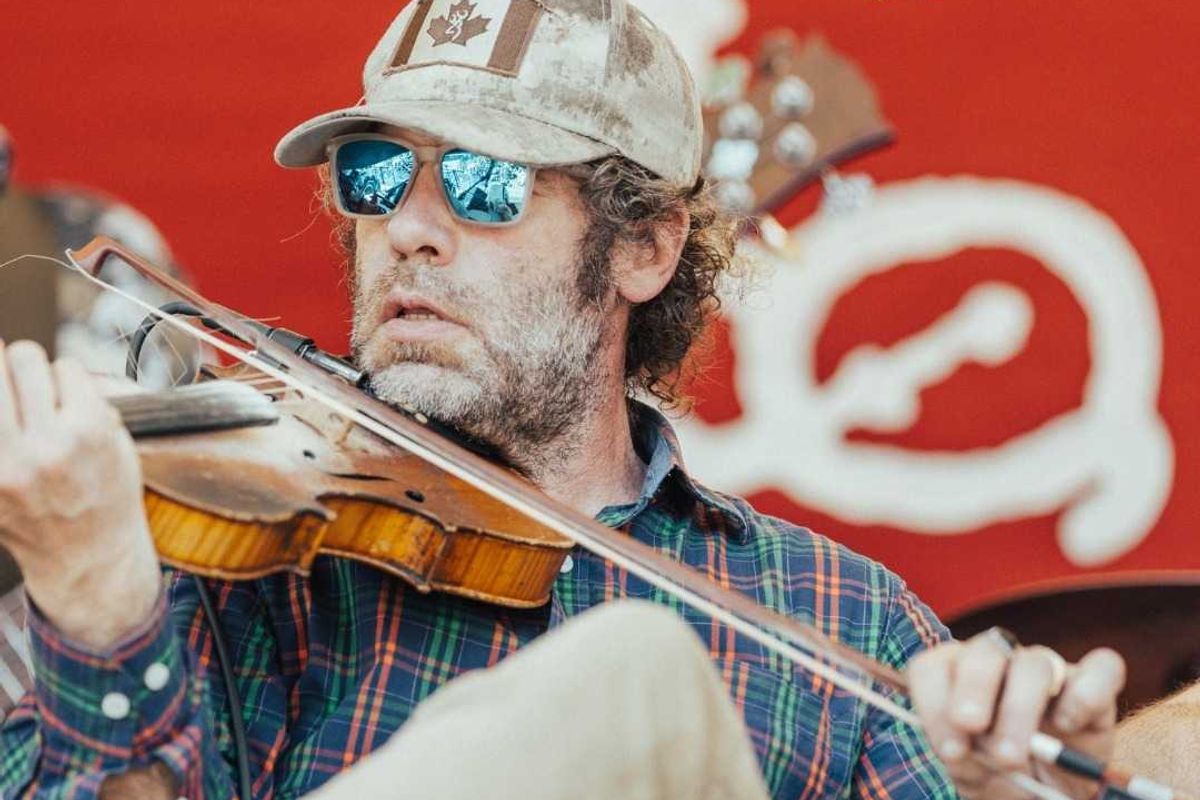
Ashley MacIsaac
Ashley MacIsaac might be pursuing legal action against Google.
On Dec. 19, the Canadian fiddler was set to play at Sipekne’katik First Nation in Nova Scotia, when organizers cancelled the show after online claims of MacIsaac being convicted of internet luring and sexual assault surfaced online.
As it turns out, the claims not about the musician at all but another person in Atlantic Canada with the last name MacIsaac. The search results reportedly came from Google's AI Overview.
In an interview with The Canadian Press, the Cape Breton musician said he felt defamed by Google and would be open to suing the major search engine.
"You are being put into a less secure situation because of a media company — that's what defamation is,” he said. "If a lawyer wants to take this on (for free) ... I would stand up because I'm not the first and I'm sure I won't be the last.”
The now-corrected Google AI Overview falsely linked the Maritimes musician to a series of offences, including internet luring, assaulting a woman and attempting to assault a minor. MacIsaac noted that the Google result listed him on the national sex offender registry, too, which is false.
MacIsaac became aware of the false allegations about a week before he was set to take the stage. “The chief messaged back and said, ‘We can’t have you in our community due to your past criminal convictions,’’’ and I thought, ‘What are they talking about? I got arrested once for smoking marijuana,’” he told CTV News.
The East Coast artist filed a report immediately, noting that changes were made to the Google AI Overview results in the following days.
“I want to go on the record to make it clear to people that this is an AI mistake, and that if it comes to it, we will have to go all the way to whatever courts are necessary," MacIsaac said.
The news of the misinformation spread quickly, with the fiddler telling CBC News that he'd already received queries from law firms across Canada that would represent his case pro bono, claiming that he doesn't have the funds for a lawsuit that could take a long time to settle.
Google Canada spokesperson Wendy Manton issued a statement to the publication, noting that the platform’s AI results are always changing to provide the most accurate information, flagging that the false claims against MacIsaac have been removed.
"When issues arise — like if our features misinterpret web content or miss some context — we use those examples to improve our systems, and may take action under our policies,” she said.
In addition, Stuart Knockwood, the Sipekne’katik First Nation's executive director, publicly apologized to MacIsaac, confirming that the show’s cancellation was based on the incorrect information.
"We deeply regret the harm this caused to your reputation and livelihood," the statement read. "Chief and council value your artistry, contribution to the cultural life of the Maritimes, and your commitment to reconciliation."
MacIsaac told CBC News that he plans to reschedule his concert sometime in the future, once the dust settles around the name misinformation. “I don't feel comfortable about going there right now because I don't think the proper information can be disseminated within a week.”
Outside of AI being a potential source of misinformation, its looming presence has been impacting the Canadian music industry, forcing artists, music companies and trade organizations to assess and address both the opportunities and dangers of the tool.