Godsmack's Sully Erna Launches Scars Foundation
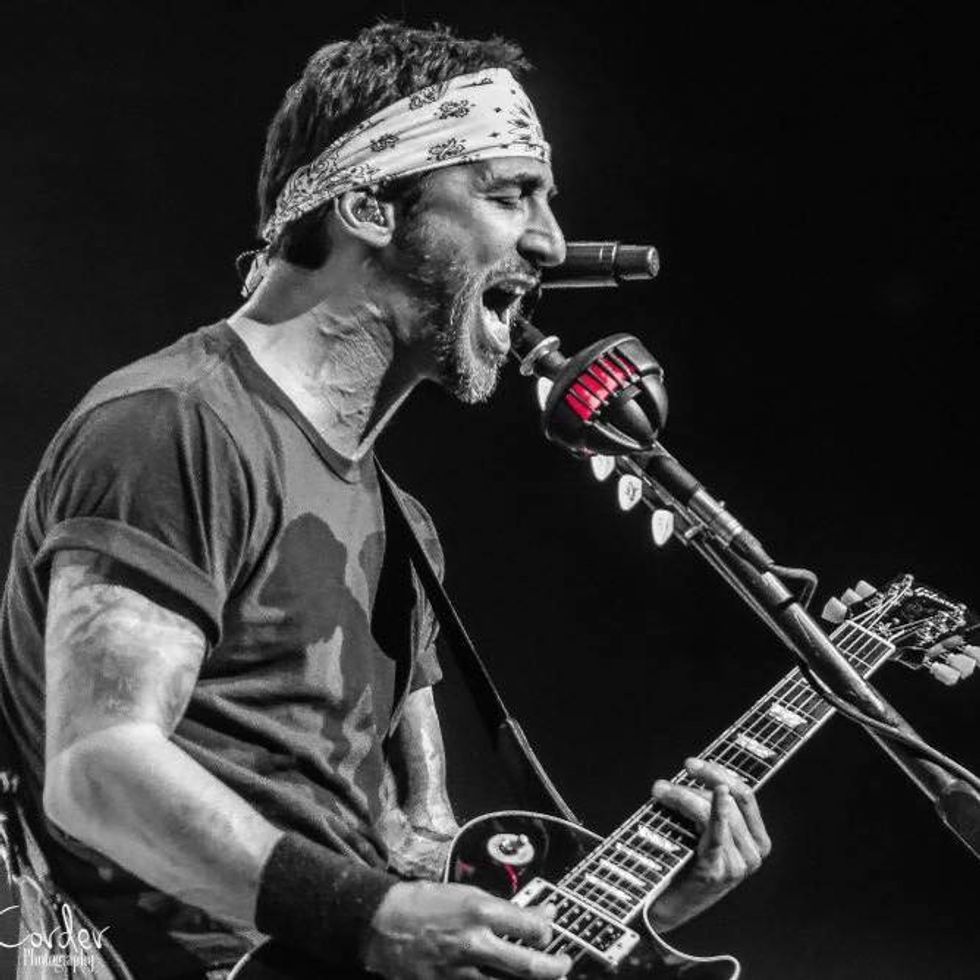
Sully Erna, the frontman for American hard rock quartet Godsmack, has launched a non-profit dedicated to raising awareness of mental health issues.
By External Source
Sully Erna, the frontman for American hard rock quartet Godsmack, has launched a non-profit dedicated to raising awareness of mental health issues.
The mission of The Scars Foundation is to provide resources and tools to educate and empower people around the world who struggle with mental health. Its partners include the American Foundation for Suicide Prevention and MusiCares.
“Scars come in all forms,” Sully says in a press release. “They are physical and emotional. They’re traumatizing and make us fear what people may think of us.
But we are all imperfect in some way. That’s what makes us perfect and unique! Everyone has something that makes him or her insecure or embarrassed. But instead of hiding them or internalizing them, own them and show them off to the world! Let them empower you so you can be a voice for everyone who can’t be. If we all wear our scars loudly and proudly, others will follow.”
Watch a video and find out more and how you can contribute to Sully’s campaign by linking to Sean Plummer’s feature on SamaritanMag.