
Bryan Adams Calls For Copyright Laws To Change
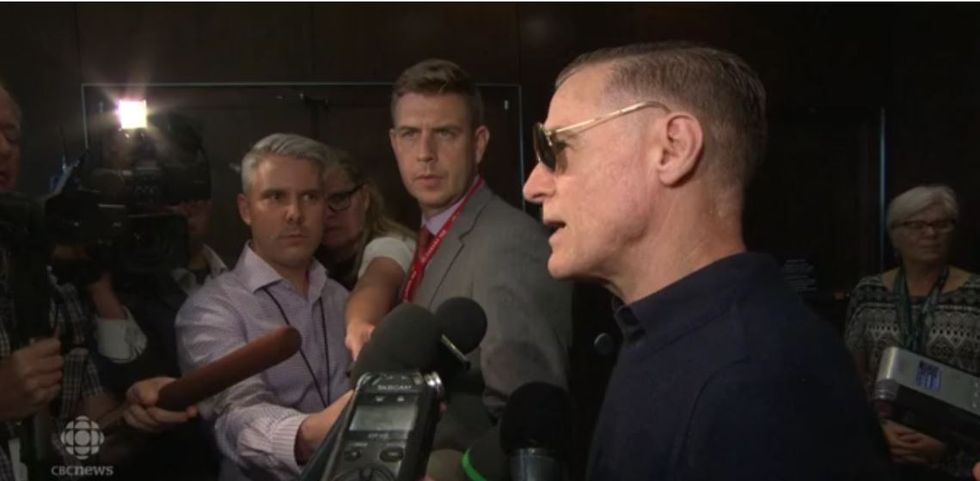
Appearing in Ottawa on Tuesday morning, Bryan Adams urged the federal government to amend the Copyright Act to give artists more ability to regain control of their works after they've been sold.
By External Source
Appearing at the House of Commons heritage committee Tuesday morning, Bryan Adams urged the federal government to amend the Copyright Act to give artists more ability to regain control of their works and songs after they've been sold to a company.
As it stands today, companies which have the rights to work by musicians, authors, composers and other creators have the legal right to retain these rights for 25 years after the artist's death. Adams is calling for a change to the act that would limit those companies to exclusive rights for 25 years after the initial sale of the rights — more than enough time, he said, for labels to commercially exploit artists.
"This would be a very big step in the right direction, to help composers and authors in Canada to own and control their work," he said.
The committee is studying remuneration models for artists and creative industries as part of the statutory review of the Copyright Act and is hearing from a broad range of stakeholders and experts. – CBC News