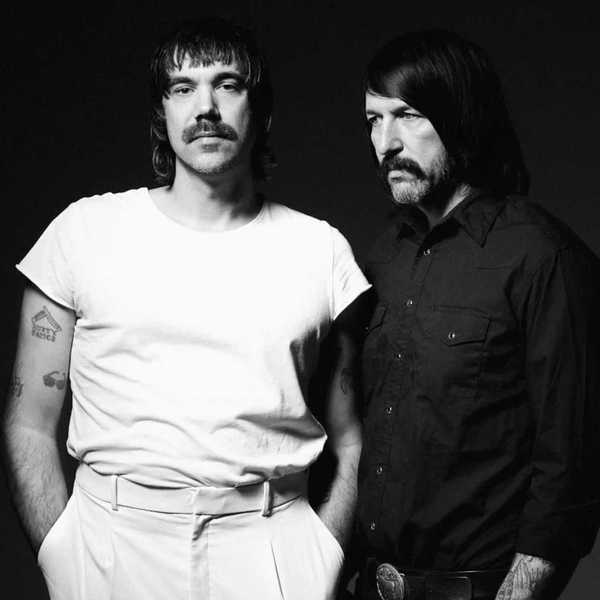
Bad Child: Bad Child
This eponymous debut single from the young Canadian artist hints at both contemporary R&B and atmospheric art-rock. It clearly stamps him as a real talent, one to be watched closely.

By Kerry Doole
Bad Child - "Bad Child" (21 Entertainment/UMC): Not much personal information (or his real name) is available about this 21-year old who is the latest addition to Chris Smith's 21 Entertainment Group roster that is also home to Alessia Cara.
His debut live video for the track, filmed at Toronto club The Hideout, has already quickly gained an impressive number of views (112K) following the release of an intriguing single mixing sparse contemporary R&B that's a mite suggestive of The Weeknd, and part atmospheric modern art-rock, a la Alt-J. In a label release, he explains that "'Bad Child' is about "finding redemption in my failures. It is about not being good enough, not living up to expectations, it's about trying to be a better person."
Go figure, Mr. Bad Boy!
A follow-up single, "Payback," is being readied for release, and the fact that it is mixed by Spike Stent (Beyoncé, Grimes, Yeah Yeah Yeahs) indicates that serious resources are being afforded Bad Child. Definitely one to watch out for.
No word on live dates as of yet.
Links
Publicity: Allison Phillips, Universal Music Canada