Drake Accused of Funding Fake Spotify Streams in Latest Gambling Lawsuit
The class action complaint alleges Drake is using online casino Stake to pay for streaming bots.
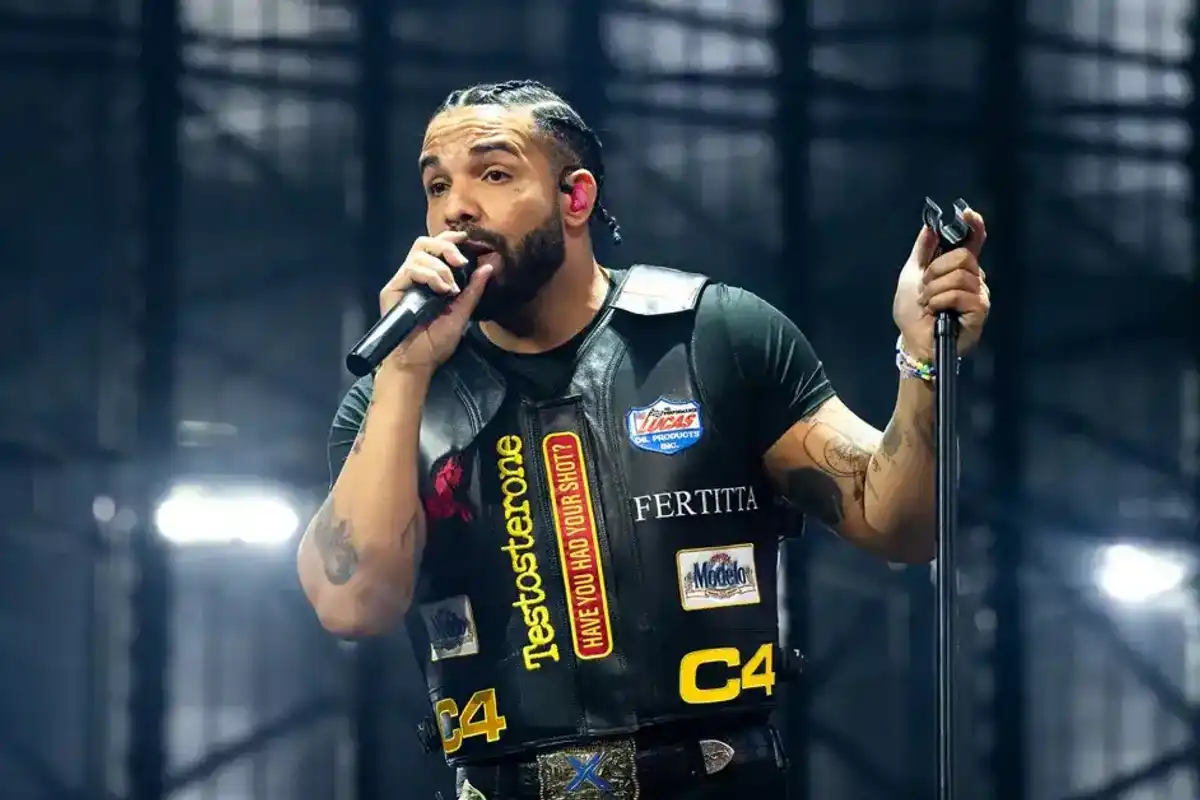
Drake performs onstage during Wireless Festival at Finsbury Park on July 11, 2025 in London, England.
A new class action lawsuit alleges Drake has used his partnership with online casino Stake to funnel millions of dollars towards artificial stream-boosting campaigns.
The claims come in a legal complaint filed Wednesday (Dec. 31) against Drake, Stake, streamer Adin Ross and Australian national George Nguyen. It’s the latest in a series of recent class actions over Ross and Drake’s endorsement of Stake, which lets users play traditional casino games over livestreams.
Like in the previous lawsuits, Virginia residents LaShawnna Ridley and Tiffany Hines allege here that Drake and Ross are complicit in Stake’s illegal use of “virtual currency” to evade anti-gambling laws. But they also go further, claiming Drake is using the platform for streaming fraud.
“Since at least 2022, Drake and those acting under his direction — including Ross and Nguyen — have made use of Stake.com and Stake.us to covertly finance the orchestrated procurement of botting and streaming farm activities to artificially inflate the number of plays attributed to Drake’s catalogue across major digital streaming services such as Spotify,” reads the complaint.
According to Ridley and Hines, Drake and Ross have used Stake’s “tipping” feature to transfer millions of dollars to Nguyen without any scrutiny from the public or financial regulators. They claim to have seen chat logs and other records proving that Nguyen used these funds to pay for bot vendors at Drake’s behest.
“These inauthentic streams, injected via interstate digital pathways, were calibrated to mislead royalty and recommendation engines; manufacture popularity; distort playlists and charts; and divert both value and audience attention,” the lawsuit says. “In tandem, this manipulation has suppressed authentic artists and narrowed consumers’ access to legitimate content by undermining the integrity of curated experiences.”
Ridley and Hines are accusing Drake, Ross, Nguyen and Stake of operating a criminal enterprise in violation of the Racketeer Influenced and Corrupt Organizations Act — the so-called “RICO” statute typically used to prosecute mobsters and gangs. The lawsuit seeks financial damages and an injunction.
A rep for Drake declined to comment on the allegations on Friday (Jan. 2). Stake did not immediately return a request for comment. Contact information for Ross and Nguyen could not be located.
The claims come on the heels of a November lawsuit that alleged Drake has received “billions of fraudulent streams” on Spotify. The case did not accuse Drake himself of any wrongdoing; rather, it blamed Spotify for turning a blind eye to the problem of bots (allegations that the streaming giant has denied).
Meanwhile, Drake himself alleged in a bombshell lawsuit last year that Universal Music Group had used bots to boost the popularity of Kendrick Lamar’s hit diss track “Not Like Us.” A judge dismissed the claims as legally deficient in October, and Drake is now appealing.