‘This Moment Must Serve as a Call to Action’: Riverfest Elora Speaks After Closing Due to Financial Strain
Last month, the Ontario music festival called it quits after 15 years. Now, they’re asking the nation to pour into the country’s live music scene.
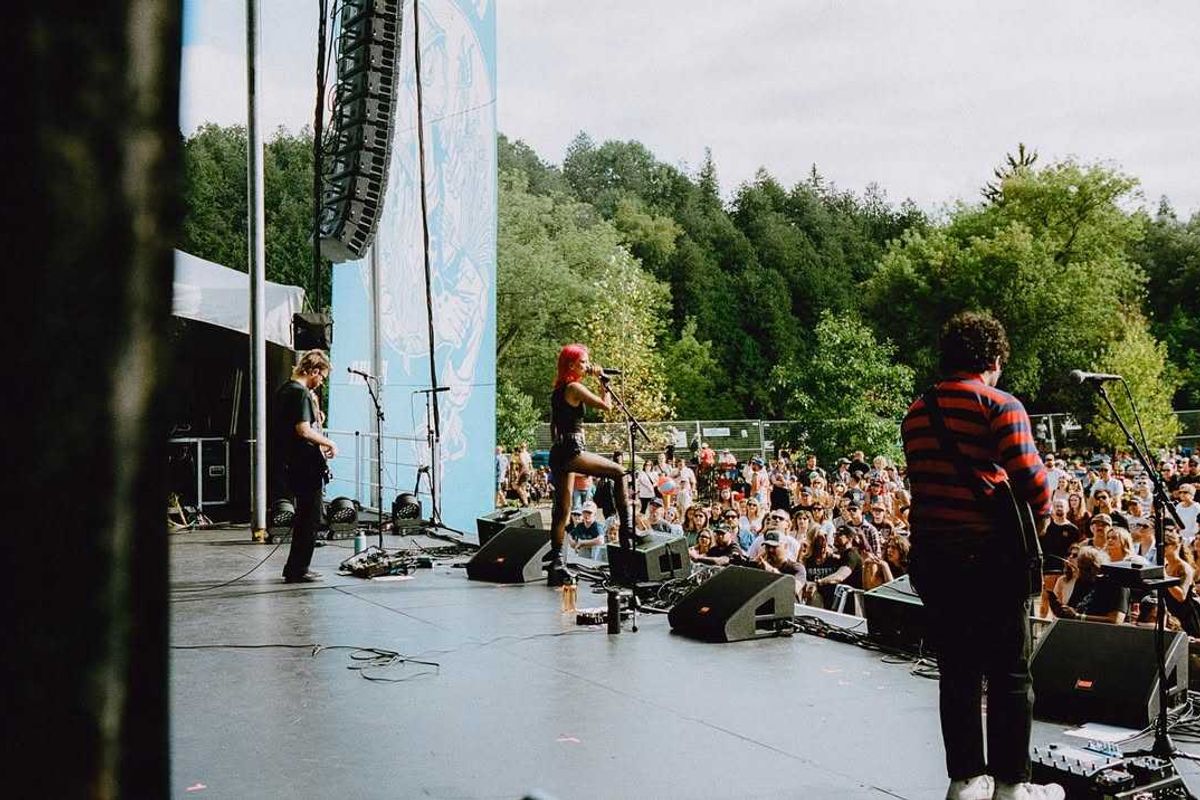
Grae performing at Riverfest Elora on August 17, 2025.
Riverfest Elora is calling on Canadians to support the local live music scene.
Today (Dec. 19), organizers for the Ontario music festival submitted a call to action through Elora's local newspaper, Elora Fergus Today. It’s addressed to Canadian businesses, citizens and policymakers, advising them to invest in live music before more local organizations continue to dissipate.
“Arts and culture are essential infrastructure for thriving communities. Riverfest Elora was a powerful local example of how arts and culture generates economic activity, attracts visitors, cultivates identities, and creates opportunities for emerging artists to be developed and discovered,” the statement reads.
Organizers point to this year’s Canadian Live Music Association (CLMA) Hear and Now report, illustrating that “local festivals and events are only part of a much larger story.” According to the study, in 2023, live music and associated tourism amassed $9.9 billion in visitor spending. It showcases the interconnectedness of live music with travel, hospitality, retail and other relevant sectors.
Beyond economic impact, festivals like Riverfest Elora made a sustained, meaningful investment in homegrown music.
“The loss of Riverfest Elora—and the pressures that festivals, venues, and live music organizations across our region now face—underscores a hard truth: we cannot expect arts organizations alone to carry the burden of sustaining this vital public good,” organizers write.
Over its decade-and-a-half run, Riverfest brought in local and international acts including Blue Rodeo, The Flaming Lips, Bruce Cockburn, Metric, Violent Femmes, Monster Truck, Sam Roberts Band, Charles Bradley, Fleet Foxes, MGMT and more.
This year's headliners were Silversun Pickups, Fitz and the Tantrums and City and Colour, with a lineup including Billboard Canada Modern Rock Airplay chart-toppers Fionn, B.C. rock band Yukon Blonde and emerging pop singer Grae.
Last month, the fest announced it was shutting down after 15 years through a Facebook post, citing financial strain.
“The reality is stark: costs have surged, revenues have fallen behind, and the changing festival landscape has made it impossible to sustain the model we’ve fought to keep alive,” organizers wrote.
Earlier this year, Billboard Canada spoke with Erin Benjamin, CEO of CLMA, who doubled down on the hardships local festivals face — many of which are facing post-lockdown circumstances, including rising production costs, fewer corporate sponsorships and hesitant audiences.
"COVID ripped up the playbook," she said. "The cost of goods and services and labour and talent is extremely high. And it continues to go up."
What organizers can turn to, Benjamin said, is support from their local citizens and elevating the foundation that many festivals and events have built.
"We've got to capitalize on that music tourism piece here in Canada," Benjamin said. "We have incredible infrastructure already. We need to take care of our infrastructure, need to continue to create opportunities for artists."
Riverfest is not the first homegrown festival to shut down due to a lack of funds, and it seems they won’t be the last. Recently, multiple homegrown festivals are facing an uncertain future related to funding, including the Newfoundland & Labrador Folk Festival and Burlington, Ontario’s Sound of Music Festival, which was recently acquired in a new form by MRG Live. Last year, multiple festivals shut down or called for support.
In their statement, organizers are taking a page from Benjamin’s book — requesting the help of Canadians nationwide.
“This moment must serve as a call to action — not only for towns like Centre Wellington and their residents, but for the province and the country at large,” Riverfest writes.
They continue: “If we fail to provide support to the arts, we risk irreversible losses: small venues closing, festivals disappearing, fewer opportunities for Canadian artists to be discovered, fewer jobs in creative and hospitality sectors, quieter communities, a diminished cultural legacy for future generations, and degraded levels of local and national cohesion.”
The call to action ends on a positive note, as Riverfest organizers remain hopeful that real change can occur. “This moment can be a turning point: a call to build resilient, sustainable cultural infrastructure across municipalities, provinces and the nation.”
- Newfoundland & Labrador Folk Festival Faces Uncertain Future After N.L. Folk Arts Society Office Closes ›
- Music News Digest: MRG Live To Head New Burlington, Ontario Music Fest, Replacing Sound of Music Festival ›
- Burlington, Ontario's Sound of Music Festival Faces Uncertain Future After Funding Requests Declined ›
- 'COVID Ripped Up the Playbook': These Canadian Music Festivals Have Called For Support or Closed Since 2023 ›