Neil Young Quits Facebook, Citing Meta's 'Unconscionable' Use of Chatbots with Children
The official artist page will no longer be used for “any Neil Young-related activities,” according to a statement on the platform.
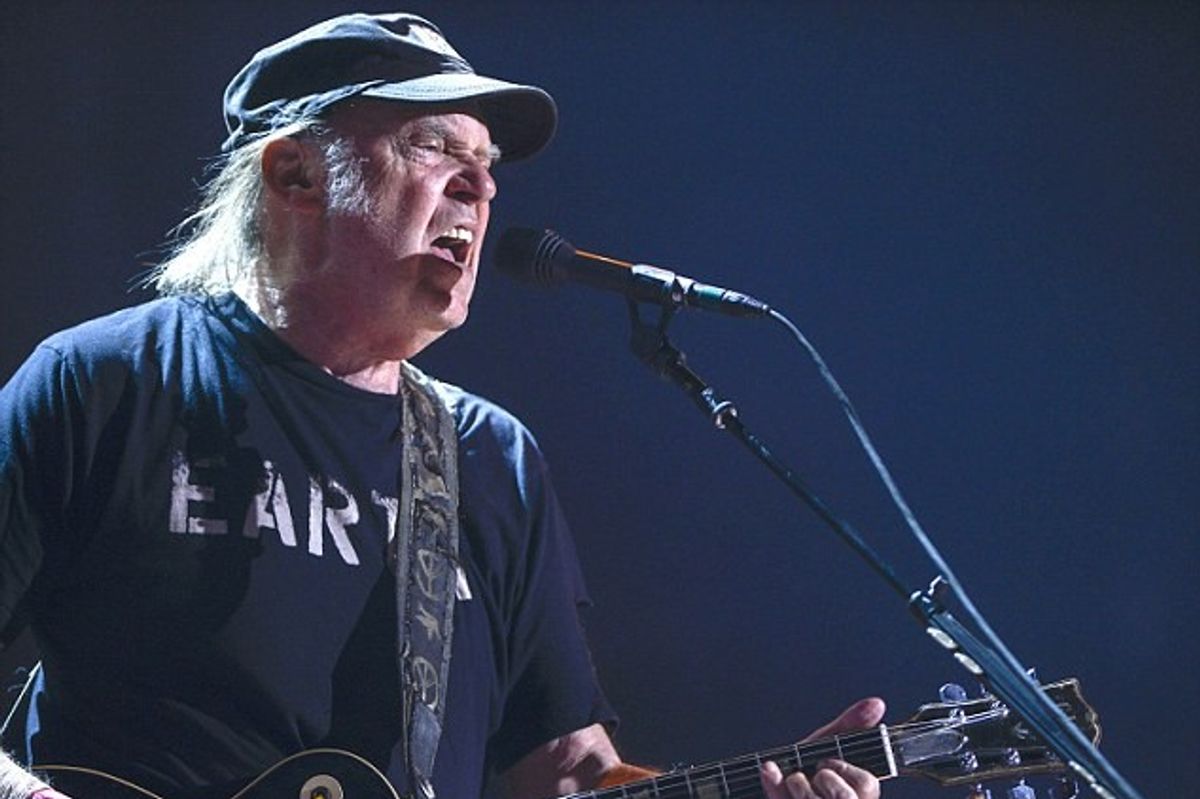
Neil Young
Neil Young has left Facebook.
Yesterday (August 14), a member of his team announced Young’s departure from the app, after recent reports that the platform's AI technology allowed chatbots to engage with children in “romantic or sensual” conversations.
“At Neil Young's request, we are no longer using Facebook for any Neil Young-related activities,” the statement read. “Meta's use of chatbots with children is unconscionable. Mr. Young does not want a further connection with FACEBOOK.”
In a recent Reuters report, the publication reviewed internal Meta Platforms documents that detailed how chatbots are allowed to engage with minors. Their findings included inappropriate conversations with minors, in addition to helping users make racist arguments and providing false medical information.
"We have clear policies on what kind of responses AI characters can offer, and those policies prohibit content that sexualizes children and sexualized role play between adults and minors,” Meta spokesperson Andy Stone told the publication, saying that the company has removed portions that allow for chatbots to flirt and engage in romantic roleplay with children.
Stone acknowledged that while Meta chatbots are prohibited from engaging in certain conversations with minors, the company had inconsistent enforcement.
Young’s departure from Facebook may not be enough. The Meta universe dominates many social media platforms, including Instagram — the AI guidelines would allow the same chatbots to engage with minors on the social media app. Currently, Young's Instagram account appears to be active, although no in-feed posts have been shared in over a month.
This isn’t the first time the Canadian rocker has spoken up or left a platform that didn't align with his beliefs.
Earlier this year, Young cancelled his Glastonbury set after learning the BBC was a partner of the U.K. music festival. “We will not be playing Glastonbury on this tour because it is a corporate turn-off, and not for me like it used to be,” he shared on his website. Two days later, he reversed his decision. Young later requested that his set not be recorded, but that was also overturned.
In 2022, the Canadian icon published an open letter announcing his departure from Spotify, asking the streaming service to remove his catalog, citing what he called “the spread of vaccine misinformation” on The Joe Rogan Experience podcast. He returned to the platform in 2024 as the podcast, once exclusive to Spotify, began streaming on other services.
- Neil Young and the Chrome Hearts Set 2025 European/N. American Love Earth Tour ›
- Neil Young Says His Music Is Returning to Spotify ›
- Neil Young Reverses Glastonbury Withdrawal, Cites ‘Error’ for Earlier Stance ›
- Neil Young Backs Out of Glastonbury 2025: ‘It Is a Corporate Turn-Off’ ›
- Neil Young Will 'Soon' Remove Discography from Amazon Music, Encourages Listeners to 'Buy Local' | Billboard Canada ›
- ‘An Offer of Peace and Love’: Neil Young Is Giving Away His Music to Greenlanders | Billboard Canada ›