Ye Says Latest Apology For Hateful Antisemitic Remarks ‘Isn’t About Reviving My Commerciality’ Ahead of Album Release
Following Monday's (Jan. 26) WSJ ad tying his antisemitic rants to the effects of brain damage suffered in a 2002 car crash, Ye still won't explain the origin of his hate speech.
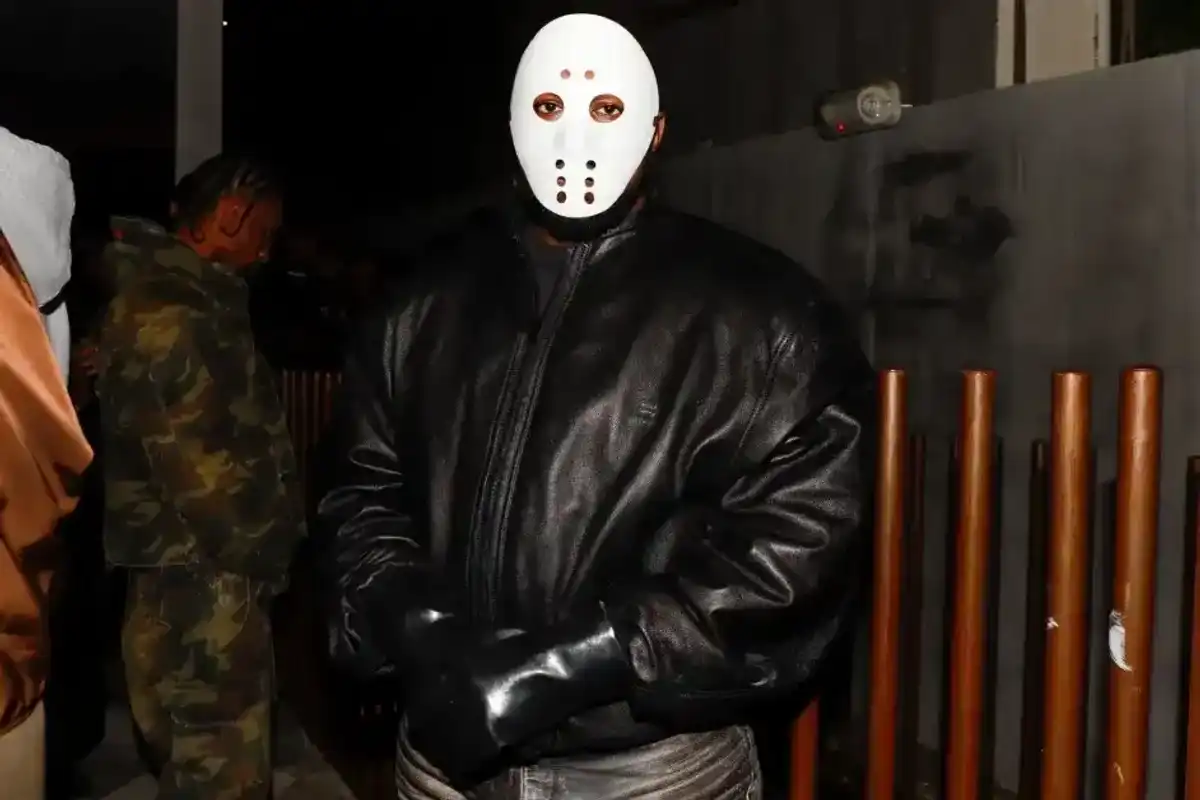
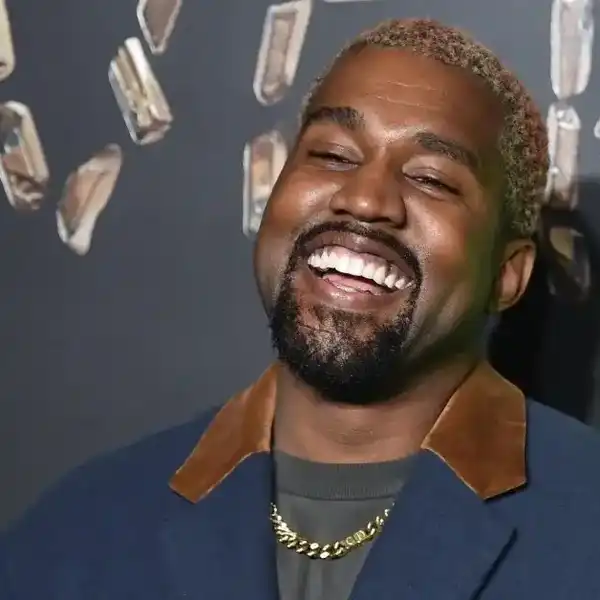
Kanye West at the grand opening of 424's Melrose Place store held at 424 on February 2, 2024 in Los Angeles, California.
Ye (formerly Kanye West) apologized once again this week for his repeated amplifying of hateful antisemitic remarks, this time taking about a full-page ad in Monday’s (Jan. 26) edition of The Wall Street Journal to offer a mea culpa. The paid advertorial was his reported attempt to make amends to the Jewish community for his repeated embrace of Nazi symbolism and deployment of hate speech against Jews.
West explained in the pages of the Murdoch family-owned paper that the well-documented 2002 car crash that became the inspiration for his breakthrough 2004 single “Through the Wire” resulted in brain damage to the right frontal lobe of his brain that led to mental health issues and an eventual diagnosis of bipolar disorder. The once high-flying rapper and producer then claimed that he spiraled into a four-month manic episode in early 2025 that included “psychotic, paranoid and impulsive behavior that destroyed my life.”
Now, in a new email interview with Vanity Fair — in which the magazine said Ye declined to answer specific questions about where his antisemitic rants originated and why he chose to express himself that way, or how he has made amends in his personal life — the rapper addressed whether his renewed mea culpa is tied to a PR push to promote his upcoming Bully album.
Asked what he would say to those who think his newest apology is a way to clear the way for his music and operate in the business without the lingering spectre of antisemitism hanging over him, West leaned into stats. “It’s my understanding that I was in the top 10 most listened-to artists overall in the US on Spotify in 2025, and last week and most days as well,” Ye told VF. “My upcoming album, Bully, is currently one of the most anticipated pre-saves of any album on Spotify too. My 2007 album, Graduation, was also the most listened-to and streamed hip-hop album of 2025. This, for me, as evidenced by the letter, isn’t about reviving my commerciality.”
Instead, Ye claimed that the letter stemmed from “remorseful feelings” that weighed heavily on his heart and spirit, reiterating that he owes a “huge apology” to the Jewish and Black communities for his hurtful speech and actions.
“All of it went too far. I look at wreckage of my episode and realize that this isn’t who I am,” said West, who unleashed shock and disgust several years ago after putting swastikas on his Yeezy merchandise, parading white supremacist-inspired “White Lives Matter” shirts at his 2022 Yeezy Paris Fashion Show and repeatedly proclaiming “I love Nazis” and “I love Hitler” during what he now describes as bipolar episodes.
“As a public figure, so many people follow and listen to my every word. It’s important that they realize and understand what side of history that I want to stand on. And that is one of love and positivity,” Ye told the magazine.
In his WSJ advertorial, West skirted around his use of the reviled swastika on Yeezy merch, saying that he suffered from some “disconnected moments” which led to memory lapses that still linger. “In that fractured state, I gravitated toward the most destructive symbol I could find, the swastika, and even sold T-shirts bearing it,” he wrote, claiming that this time he is “committed to accountability” and that he is “not a Nazi.”
In response to the Journal ad, a spokesperson for the Anti-Defamation League told Billboard that Ye’s apology was “long overdue and doesn’t automatically undo his long history of antisemitism — the antisemitic ‘Heil Hitler’ song he created, the hundreds of tweets, the swastikas and myriad Holocaust references — and all of the feelings of hurt and betrayal it caused/ The truest apology would be for him to not engage in antisemitic behavior in the future. We wish him well on the road to recovery.”
At one point, an anonymous former employee of West’s reportedly told CNN that Ye wanted to name his 2018 studio album Hitler, telling the network, “He would praise Hitler by saying how incredible it was that he was able to accumulate so much power and would talk about all the great things he and the Nazi Party achieved for the German people.”
During his earlier 2022 antisemitic spree, West was dropped by nearly all of his creative and professional collaborators, including Balenciaga, Universal Music Group, Adidas and the Gap, as well as his booking agent and a number of social media platforms.
Then, in March of last year, after claiming he was done with antisemitism following yet another outburst of hate speech, West posted on X that his “next album got that antisemitic sound,” seemingly doubling-back and doubling-down on his brief respite from expressing anti-Jewish sentiment.
Also during last year’s manic episode, West said he didn’t feel sick, but rather that everyone else around him was “deeply overreacting. You feel like you’re seeing the world so much more clearly on things, when in reality you’re losing your grip entirely. That’s what it felt like at that time.” Near the end of the four-month episode, West said he changed his medication, with the antipsychotic drug he was switched to taking him into a “really deep depressive episode.” After his wife recognized the effects, Ye said they sought out what’s been an “effective and stabilizing” treatment regime at a rehab facility in Switzerland.
The magazine also spoke to neuropathologist Bennett Omalu, who, speaking generally about the progression of neurological issues, but not specifically about the details of West’s case, said that a frontal lobe injury of the type the rapper suffered can possibly lead to a diagnosis of bipolar disorder. “TBI [traumatic brain injury] can result in a variety of behavioral, cognitive, and mood disorders,” said Omalu.
However, Dr. Avinoam Patt, director of the Center for the Study of Antisemitism at New York University told VF that it’s important to stress that the “vast majority of people who have mental health issues, or specifically have bipolar disorder, don’t espouse antisemitic or racist ideas. And I’ll just say I’m skeptical because we now have a pattern that goes back years of antisemitic rants that reinforce harmful, dangerous stereotypes about Jews.”