Liam Payne’s First Posthumous Single to Be Released This Week
The collaboration with Sam Pounds comes just weeks after Payne's sudden passing.
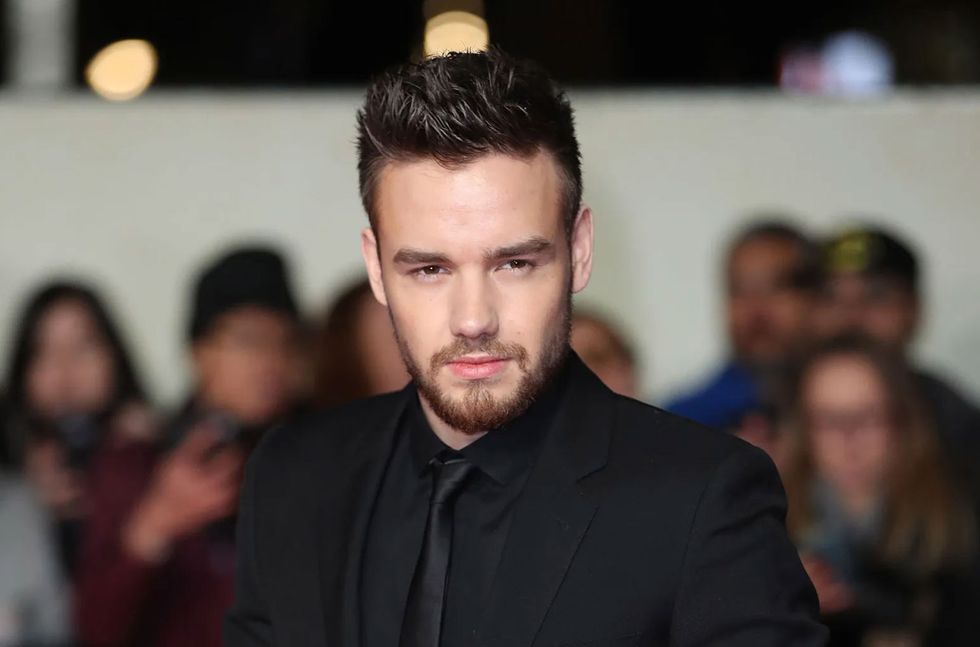
Liam Payne’s voice will grace the airwaves once again as his first posthumous release, “Do No Wrong,” drops this Friday, Nov. 1.
The single, a collaboration with Grammy-winning producer Sam Pounds, comes just weeks after Payne’s sudden passing, sparking an outpouring of tributes and memories from friends and fans around the world. Pounds announced the release on social media, calling it a tribute to Payne’s spirit and talent and sharing a personal message to Payne’s family and fans.
“I pray that this will be a blessing to the world like Liam has always dreamed,” Pounds wrote on X. “I pray angels will comfort you all every day while listening. I pray that this song will be a blessing to Ruth, Bear, and the entire family,” Pounds wrote.
“I pray that this song eclipses the negative echoes. I pray supernatural positive healing power will embrace each and every one of you.”
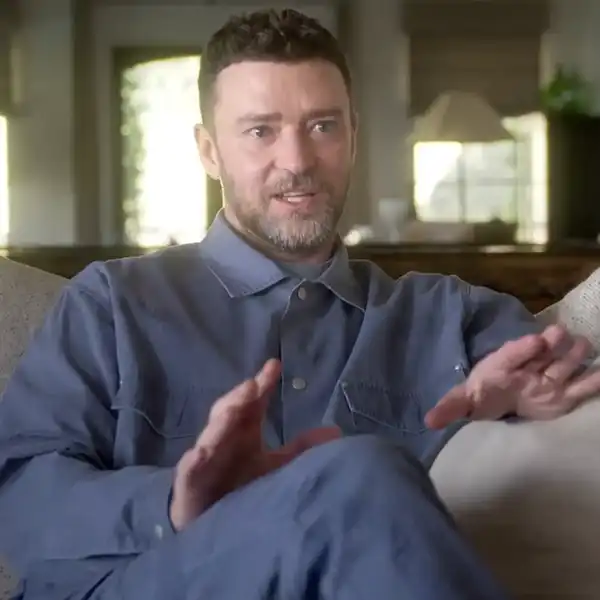
The release announcement included a video clip from a recent studio session, shared by Payne’s sister, Ruth Gibbons, capturing the two musicians listening to the track together. The clip also shows Pounds and Payne discussing possible collaborators, with a shoutout to Chris Brown, hinting at the project’s ambitions to bring in a high-profile feature.
Pounds has posted multiple tributes to Payne following his death on social media, describing him as a talented artist, devoted father, and friend. “This is how I’ll always remember you, brother,” he shared alongside a video of their time in the studio. “The happy, funny, and talented brother, father, and friend.”
He added that they “made some awesome and beautiful music together that will live on forever.”
Payne, 31, died after falling from a third-floor balcony at the CasaSur Palermo Hotel in Buenos Aires, Argentina, on Oct. 16. An autopsy report revealed that he died from a number of injuries, including internal and external bleeding caused by the fall.
Liam Payne first rose to fame as a member of the U.K. boyband One Direction, joining fellow members Niall Horan, Zayn Malik, Harry Styles, and Louis Tomlinson in 2010.
Together, the group achieved massive global success, with four of their albums reaching No. 1 on the Billboard 200 and their final release hitting No. 2. After One Direction went on hiatus in 2016, Payne launched a solo career, debuting with the single “Strip That Down” featuring Quavo, which reached No. 10 on the Billboard Hot 100 and topped the Pop Airplay chart for two weeks in 2017.
His first album, LP1, debuted at No. 1 on the Billboard Heatseekers Albums chart in December 2019. Payne continued to make his mark with singles like “Get Low,” “Bedroom Floor,” and “Familiar,” each charting on various Billboard lists.