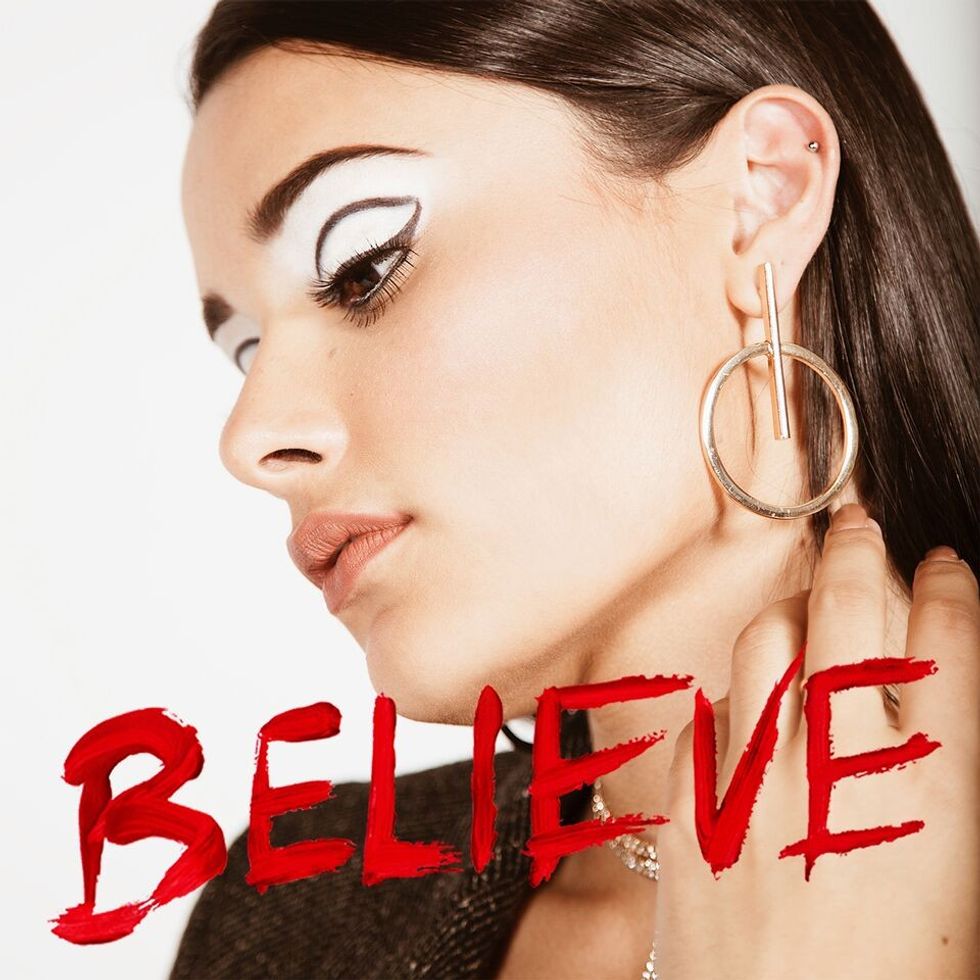
Liz Lokre: Believe
The track starts with minimal energy with Lokre's voice gently edging us in, and then slowly builds to a crescendo with Christmas bells ringing out and a soulful-sounding choir towering over the top.
By Kerry Doole
Liz Lokre - "Believe" (Independent): It is always nice to come across a robust original holiday song, and this one certainly fits the bill.
The track starts with minimal energy with Lokre's voice gently edging us in, and then slowly builds to a crescendo with Christmas bells ringing out and a soulful-sounding choir towering over the top. A crisp sounding production comes courtesy of OVO Festival musical director Adrian X an ace guitarist who has worked extensively with the likes of Drake, The Weeknd, and Partynextdoor.
Toronto vocalist/songwriter Lokre is enjoying a career breakthrough year, thanks to two online hit singles, “Buh Bye” and "Rise Up!” Together, they have registered close to a half million Spotify streams and over three million YouTube plays, and now "Believe" is racking up high numbers on its own.
In keeping with the spirit of the season, she is donating the proceeds from "Believe" to The Red Door Family Shelter.
She has a show at Oakville's Studio Theatre on Dec. 16 and performs this song nationally on Global-TV's “The Morning Show” on the 22nd.
David Tysowski at Canvas Media is handling press.