UMG Responds to Drake’s Defamation Lawsuit, Calling It ‘Illogical’ & ‘Frivolous’
The company vowed to fight back against a lawsuit that it said was trying to "weaponize" the legal process to "silence an artist's creative expression."
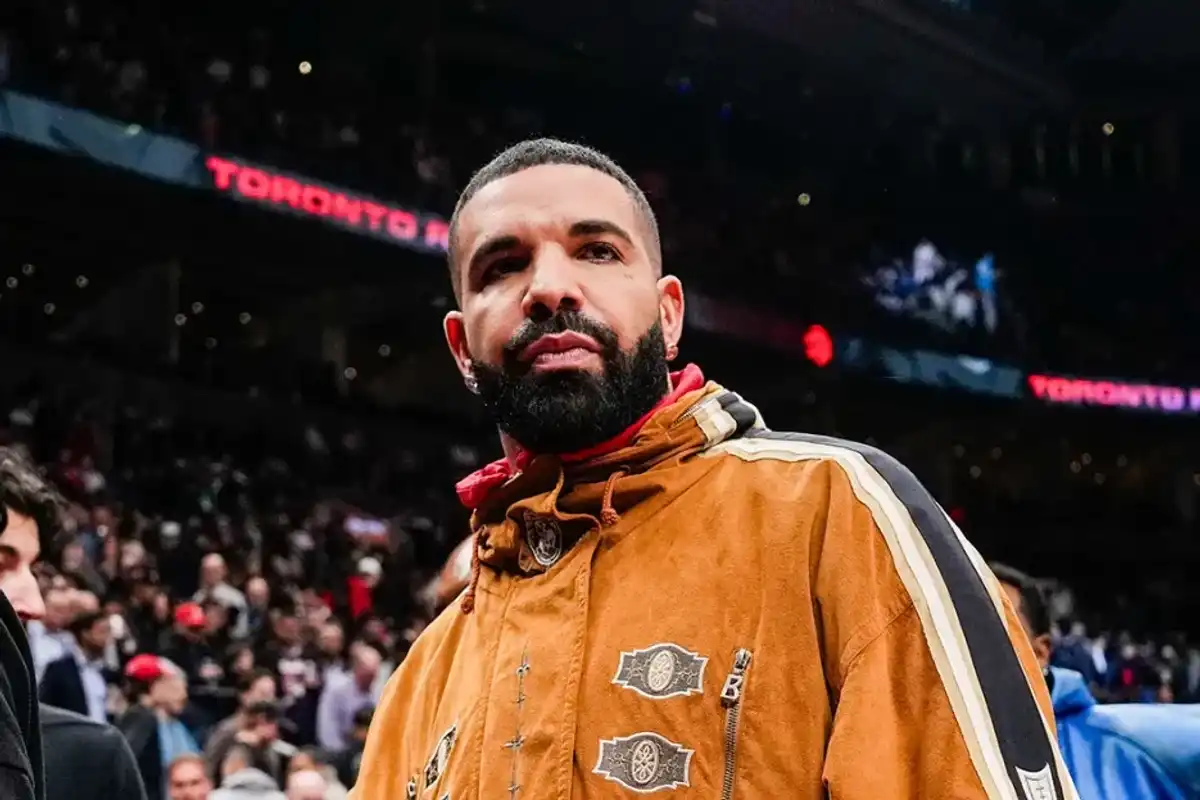
Andrew Lahodynskyj/Getty Images
Universal Music Group (UMG) is firing back at Drake’s lawsuit accusing the music giant of defaming him by promoting Kendrick Lamar’s diss track “Not Like Us,” calling the case “illogical” and accusing Drake of trying to “weaponize the legal process.”
In a strongly-worded statement issued Wednesday afternoon (Jan. 15), UMG flatly denied the allegations in Drake’s lawsuit — filed earlier in the day in New York federal court — and sharply criticized its superstar artist for bringing it.
“Not only are these claims untrue, but the notion that we would seek to harm the reputation of any artist—let alone Drake—is illogical,” the company wrote. “We have invested massively in his music and our employees around the world have worked tirelessly for many years to help him achieve historic commercial and personal financial success.”
The lawsuit claims that UMG knew that “inflammatory and shocking allegations” in Lamar’s scathing diss track were false, but chose to place “corporate greed over the safety and well-being of its artists.”
But in UMG’s response, the music giant said that Drake himself had often engaged in rap beefs featuring bombastic claims about his opponents — the very thing that he now claims is illegal.
“Throughout his career, Drake has intentionally and successfully used UMG to distribute his music and poetry to engage in conventionally outrageous back-and-forth ‘rap battles’ to express his feelings about other artists,” UMG wrote. “He now seeks to weaponize the legal process to silence an artist’s creative expression and to seek damages from UMG for distributing that artist’s music.”
Drake’s case repeatedly makes clear that he is not suing Lamar himself, and that he holds UMG responsible for releasing a song that it allegedly knew was defamatory.
In its statement, UMG denied that claim — and said it would defend Lamar or any other artist if they were hit with such a lawsuit.
“We have not and do not engage in defamation—against any individual,” UMG said in the statement. “At the same time, we will vigorously defend this litigation to protect our people and our reputation, as well as any artist who might directly or indirectly become a frivolous litigation target for having done nothing more than write a song.”
Drake and Lamar exchanged stinging diss tracks last year, culminating in Lamar’s knockout “Not Like Us” — a track that savagely slammed Drake as a “certified pedophile” and reached the top of the charts. In November, the star filed stunning legal petitions suggesting that he planned to sue UMG, claiming that the company had artificially boosted a song that contained defamatory statements about him.
Earlier on Wednesday, Drake made good on those threats — filing a federal lawsuit that claimed UMG had boosted a “false and malicious narrative” that the star rapper was a pedophile, severely harming his reputation and even putting his life in danger.
“UMG intentionally sought to turn Drake into a pariah, a target for harassment, or worse,” the star’s lawyers wrote in their complaint. “UMG did so not because it believes any of these false claims to be true, but instead because it would profit from damaging Drake’s reputation.”
The accusations — and Wednesday’s response statement — represent a remarkable rift between the world’s largest music company and one of its biggest stars. Drake has spent his entire career at UMG, first through signing a deal with Lil Wayne’s Young Money imprint that was distributed by Republic Records, then by signing directly to Republic.