Ashley MacIsaac Files $1.5 Million Lawsuit Against Google, Citing Defamation Over AI Overview
The Cape Breton musician reports that the company defamed him by falsely linking him to a sex offender with the same last name in AI overview results, causing a show to be cancelled.
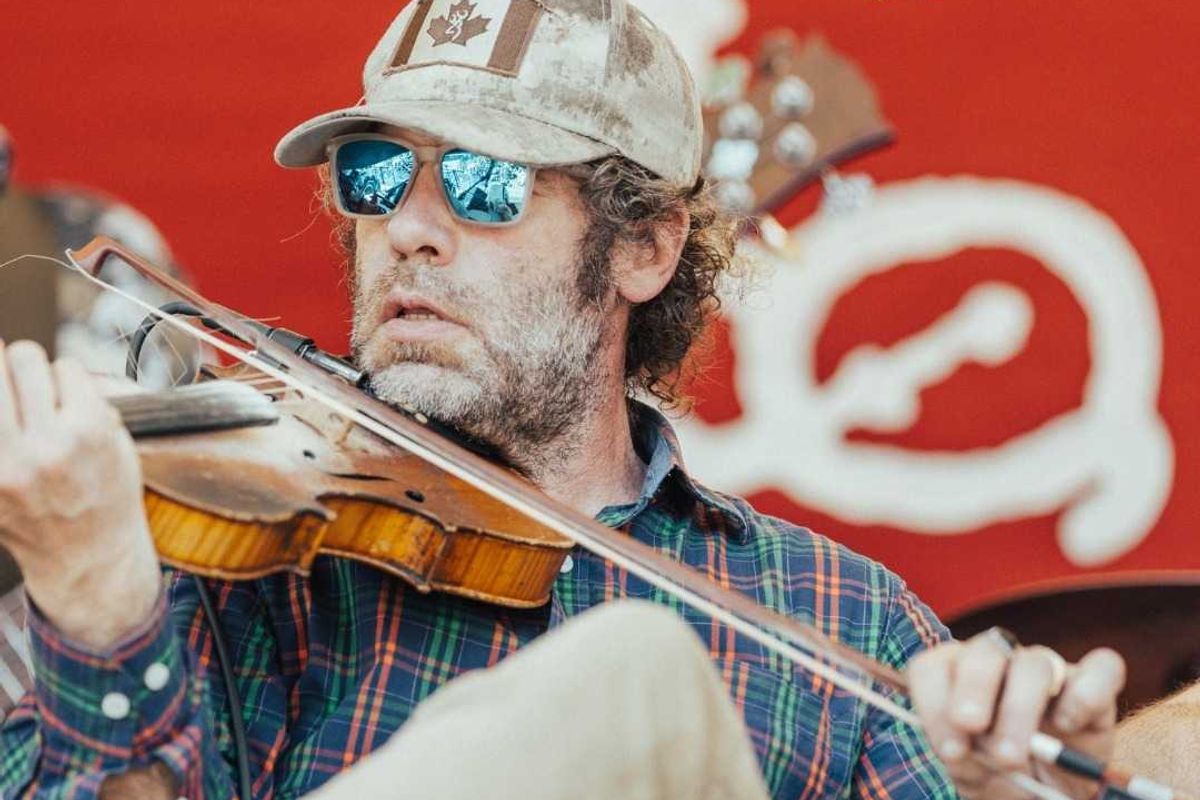
Ashley MacIsaac isn’t backing down in his legal battle against Google.
Last December, the Cape Breton musician claimed he wanted to “stand up” to the major search engine, after AI overview results linked him to a sex offender with the same last name. Now, he’s taking it one step further, currently seeking $1.5 million from Google LLC.
According to a statement of claim filed in February with the Ontario Superior Court of Justice as reported by Canadian Press, MacIsaac stated that the AI-summary falsely attached another Atlantic Canada man who had been convicted of a series of offences, including sexual assault, internet luring involving a child and assault causing bodily harm.
The results reported that MacIsaac had been listed on the national sex offender registry, which the east coast artist has confirmed is untrue. Due to the confusion, one show was cancelled late last year.
"As the creator and operator of the AI overview, Google is also liable for injuries and losses arising from the AI overview's defective design," the lawsuit reads. "Google knew, or ought to have known, that the AI overview was imperfect and could return information that was untrue."
The fiddler says he became aware of the false allegations about a week before he was set to take the stage in Nova Scotia. He filed a report immediately and was reviewed in the following days.
The tech company issued a statement about the oversight, noting that “when issues arise” including misinterpreting web content or missing some context, they use the examples to improve the system.
"Google's cavalier and indifferent response to its publication of utterly false statements claiming that MacIsaac committed serious sexual offences, including offences involving children, justifies the award of aggravated and/or punitive damages," the lawsuit says.
In the days following MacIsaac’s show cancellations, Stuart Knockwood, executive director of Nova Scotia’s Sipekne’katik First Nation, issued an apology to the musician for “the harm this caused to [his] reputation and livelihood.”
MacIsaac told Canadian Press that a few days after he learned of the AI summary, he felt fearful for the next time he performed. Around the same time that the lawsuit was filed, he performed two back-to-back nights at Red Bird Music School in Ottawa. His next scheduled performances are in June on the west coast.
"I felt that tangible fear from something that was published by a media company," he said. "I feared for my own safety going on stage because of what I was labelled as. And I don't know how long this will follow me."
He doubled down on the idea that the search engine needs to take responsibility for the results its AI overview generated.
"It was published by them. And to me, that is defamation. The guardrails were not there to prevent Google AI from publishing that content.”
Beyond being a potential source of misinformation, AI’s dominating presence has heavily impacted the Canadian music industry. In recent years, artists, music companies and trade organizations have started to unpack and address the opportunities and dangers of the looming tool.
At the time of publishing, none of MacIsaac’s claims in the lawsuit have been tried in court.