Donald Trump Berates Bad Bunny, Green Day Ahead of Super Bowl Performances: ‘I’m Anti-Them’
The president also explained why he won't attend the 2026 Super Bowl.
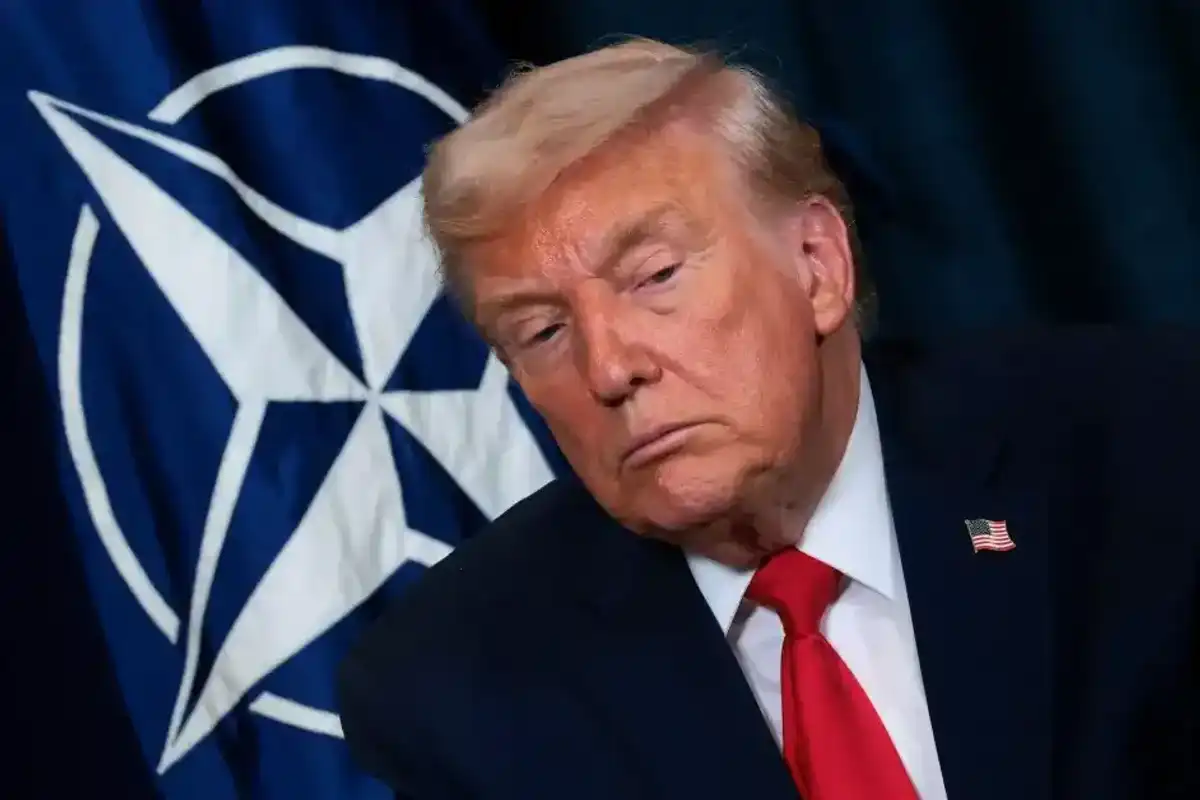
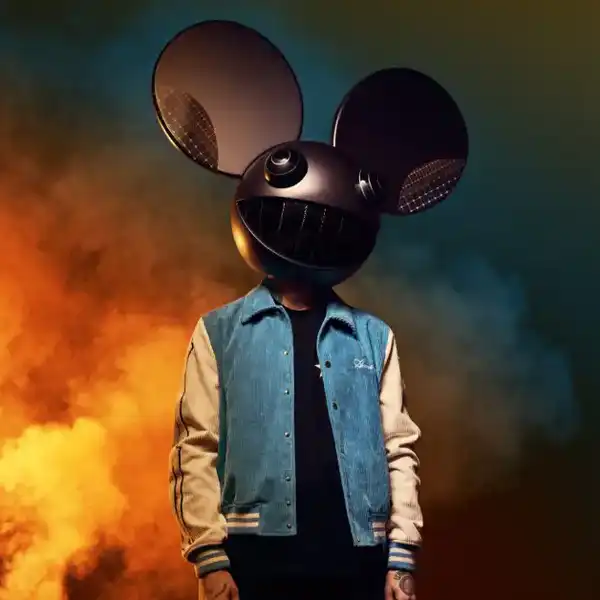
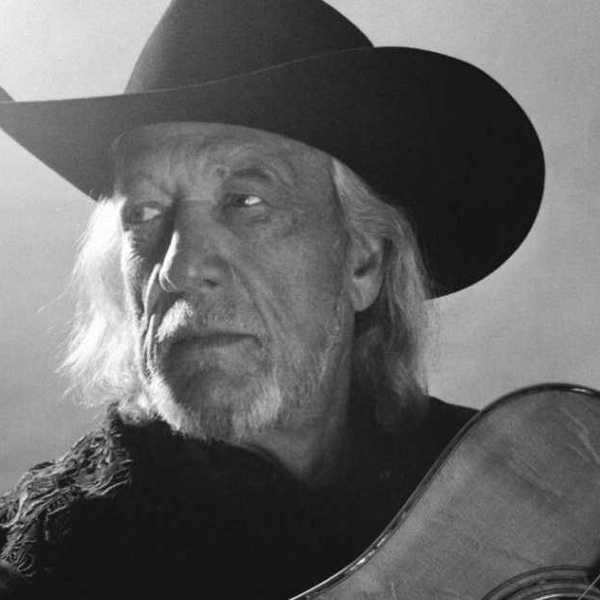
U.S. President Donald Trump didn’t hold back from sharing an opinion on Super Bowl 2026’s musical lineup during a recent interview in the Oval Office. Bad Bunny headlines the halftime show and Green Day will kick off the game’s opening ceremony at Levi’s Stadium in Santa Clara, Calif., on Feb. 8 — both of which Trump has thoughts on.
“I’m anti-them. I think it’s a terrible choice. All it does is sow hatred. Terrible,” Trump said, according to a report from the New York Post.
Green Day’s put the Trump administration on blast for nearly a decade, dating back to the American Music Awards in 2016, when they led a chant of “No Trump, no KKK, no fascist U.S.A.”
Most recently, frontman Billie Joe Armstrong openly expressed his disdain at the band’s Jan. 17 concert in Los Angeles, where he swapped lyrics in protest song “American Idiot” to denounce “the MAGA agenda.” And with “Holiday,” he pledged support “to our brothers and sisters in Minnesota” amid Trump’s aggressive immigration agenda and the chaos its unleashed in ongoing ICE raids across Minneapolis this month; Armstrong told the crowd at Kia Forum, “This song is anti-fascist. This song is anti-war.”
Green Day’s set to start Super Bowl LX with a pre-game, opening ceremony performance of “their most iconic rock anthems,” the NFL said last weekend. The opening ceremony is celebrating MVPs and 60 years of Super Bowl history.
And in a trailer for his Apple Music Super Bowl LX Halftime Show last week, Puerto Rican superstar Bad Bunny teased that when he takes the field, “the world will dance.” “What I’m feeling goes beyond myself,” Bad Bunny said in a statement when his headliner status was announced. “It’s for those who came before me and ran countless yards so I could come in and score a touchdown … this is for my people, my culture and our history. Ve y dile a tu abuela, que seremos el HALFTIME SHOW DEL SUPER BOWL.”
Meanwhile Trump, who attended last year’s Super Bowl in New Orleans, announced he’d be skipping the 2026 NFL championship game altogether — though he says it’s not due to the performers booked, “it’s just too far away.”
He said there’s “great hands [at] the Super Bowl. They like me.”
“I would go if, you know, it was a little bit shorter,” said Trump, presumably of the distance from the White House to the West Coast.
Though Trump was apparently asked only about Bad Bunny and Green Day, Super Bowl Sunday’s traditional pre-game schedule also brings Charlie Puth performing the national anthem, Brandi Carlile singing “America the Beautiful” and Coco Jones singing “Lift Every Voice and Sing.”