advertisement
FYI

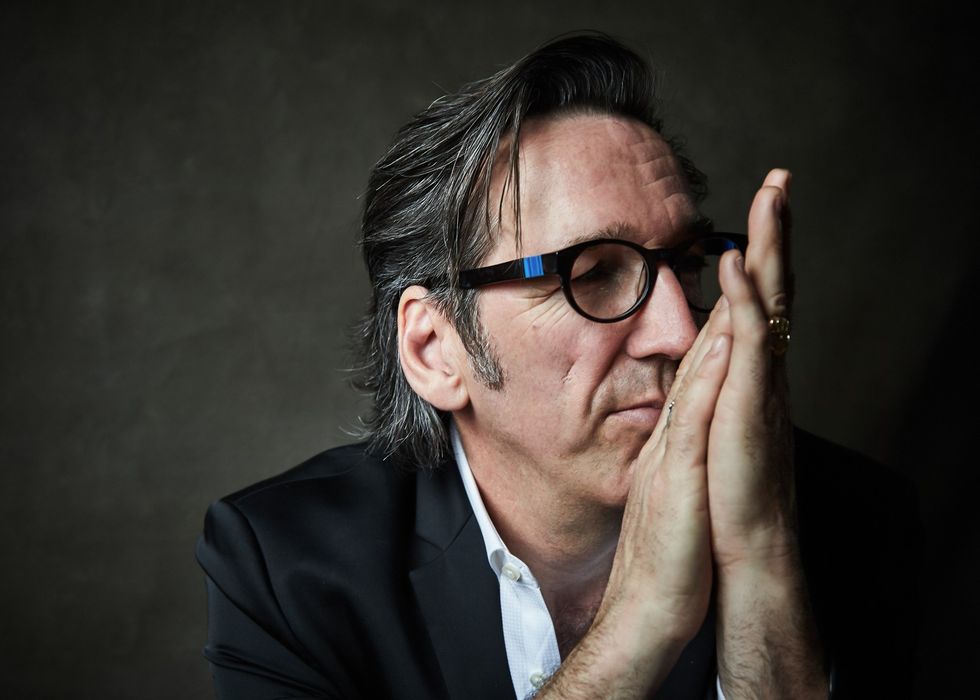
Stephen Fearing: Someone Else's Shoes

The veteran folk/roots songsmith teases his 13th solo album with a gentle tune that is a timely plea for empathy in this divisive era.
Stephen Fearing: Someone Else's Shoes

By Kerry Doole

Stephen Fearing - Someone Else's Shoes (Fearing and Loathing): Now in the fourth decade of his career, the highly-respected and prolific folk/roots songsmith releases his 13th solo album, The Unconquerable Past, on Nov. 15. His discography also includes the records he has made as a member of super trio Blackie and The Rodeo Kings and duo offerings with Andy White.


A press release notes that the new full-length "finds Fearing stepping back into the wide-screen world of layered instruments and arrangements in collaboration with Winnipeg-based producer/songwriter Scott Nolan (William Prince, Mary Gauthier, Hayes Carll)," and that's a partnership that certainly heightens anticipation. 

advertisement

This focus track is a gentle tune that is a timely plea for empathy in this divisive era - "no-one is an island - walk in someone else's shoes." The song is delivered via Fearing's warm voice and resonant guitar work (like his comrade Bruce Cockburn, that skill is oft-overlooked). We are keen to hear more.

Links
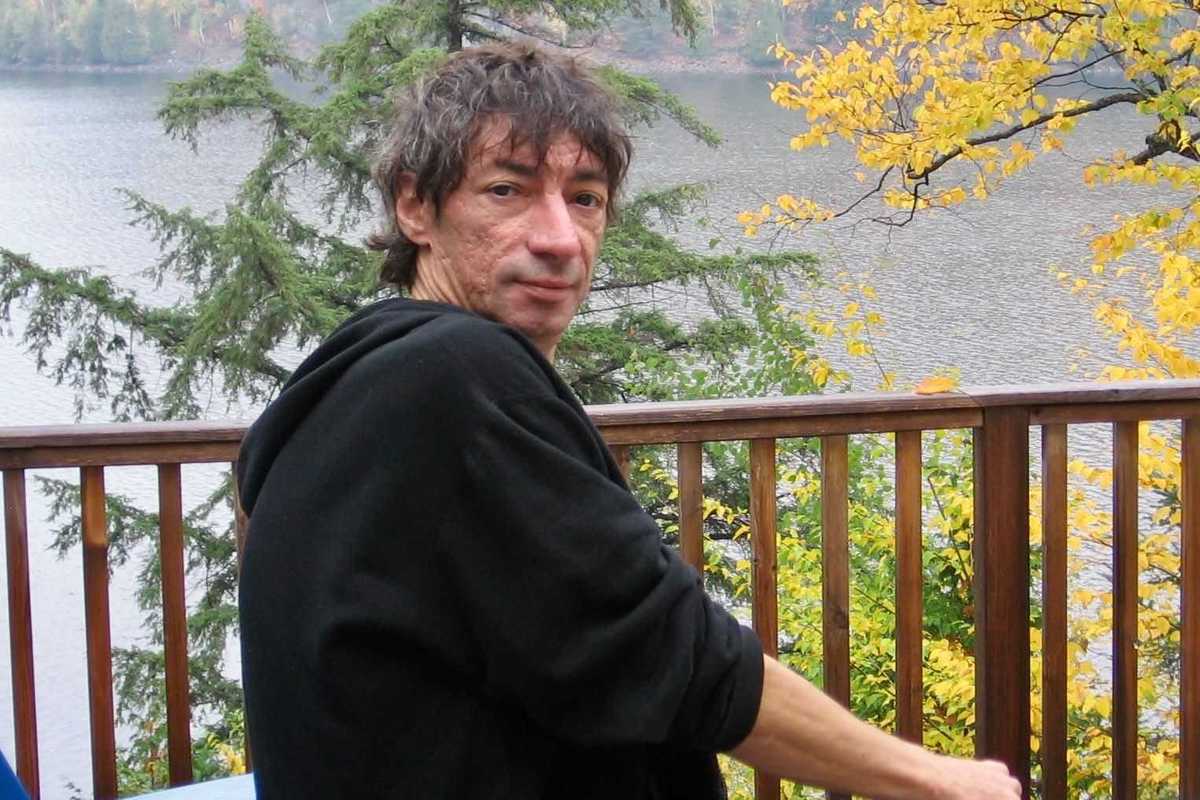
Publicity: Jason Schneider

advertisement
Music News Digest: CRTC Aims To Fill a Gap for Indigenous Radio in Toronto and Ottawa
Photo by Will Francis on Unsplash
FYI

Music News Digest: CRTC Aims To Fill a Gap for Indigenous Radio in Toronto and Ottawa

Also this week: Sled Island reveals initial lineup curated by clipping., Truro hosts Nova Scotia Music Week and more.

The CRTC recently launched a call for applications for FM radio stations to serve Indigenous communities in Toronto and Ottawa. Broadcast Dialogue reports "the call follows the demise of First Peoples Radio’s ELMNT FM stations, which went off the air on Sept. 1 last year. Launched in the fall of 2018, the stations had a goal to 'fill the gap' for urban Indigenous listeners under-represented in the radio landscape. They carried an 'Indigenous-variety' format, featuring both English and Indigenous-language spoken-word and musical programming, with 25% of the playlist dedicated to Indigenous talent.

In its call, the commission says in its view, "there is a need and a demand for radio stations to serve the needs and interests of those communities."

keep readingShow less
advertisement