advertisement
FYI

Aquakultre - Wife Tonight

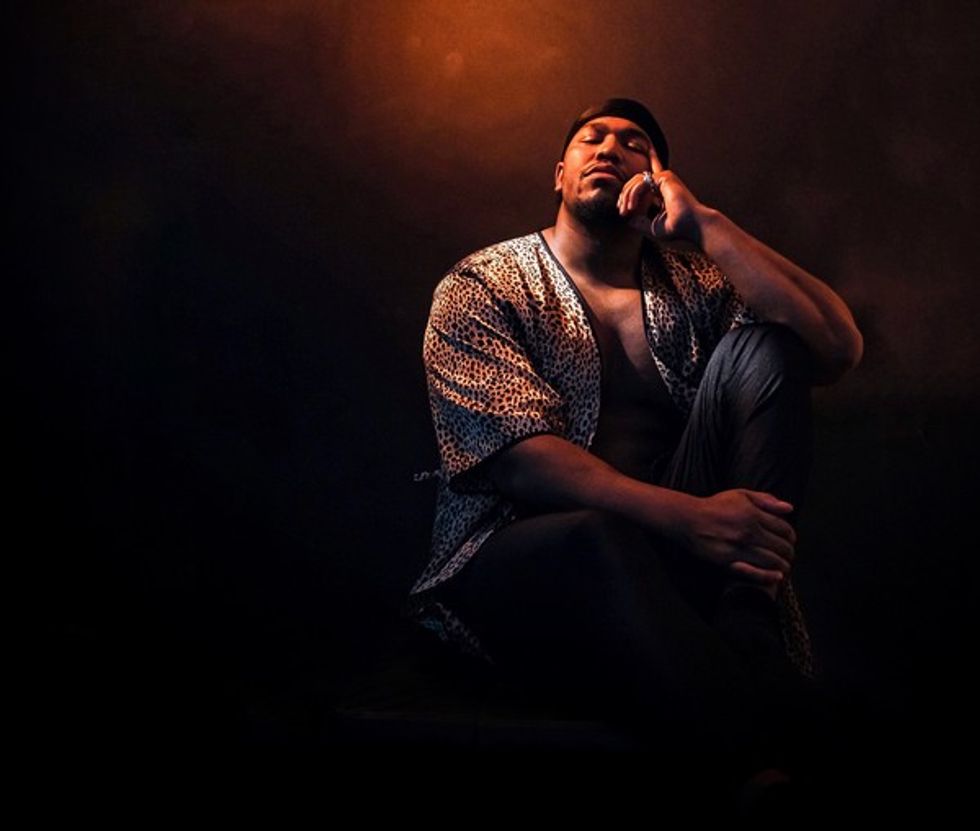
Fast-rising hip-hop/R&B artist Lance Sampson feels the funk on this lustful cut.
Aquakultre - Wife Tonight

By Kerry Doole

Aquakultre - Wife Tonight (Black Buffalo Records): Things have moved quickly for Halifax R&B/hip-hop artist Lance Sampson (aka Aquakultre). He only started rapping in 2015, after he'd served a five-year stretch in federal prison. Three years later, he won the CBC's Searchlight competition, participated in the prestigious Allan Slaight Juno Master Class program, and recorded a new album,  Legacy, at the National Music Centre.


It comes out on Friday, preceded by this focus cut that showcases just why such a buzz is surrounding Sampson. While two recent singles, I Doubt It and Pay It Forward, traversed R&B and old school hip-hop terrain, Wife Tonight brings out the funk.

advertisement

This is an upbeat romp accented by cool clavinet work that certainly recalls Stevie Wonder a la Superstition, while Sampson lustfully declares he's "looking for a wife tonight." A cut sure to go over well in a future live setting.

Joining Sampson in Aquakultre are bandmates Nathan Doucet, Nick Dourado, and Jeremy Costello.

Read a recent Samaritan story on Sampson here 

Links

Website

Instagram

Facebook

Twitter

PR: Pigeon Row

advertisement
Music News Digest: CRTC Aims To Fill a Gap for Indigenous Radio in Toronto and Ottawa
Photo by Will Francis on Unsplash
FYI

Music News Digest: CRTC Aims To Fill a Gap for Indigenous Radio in Toronto and Ottawa

Also this week: Sled Island reveals initial lineup curated by clipping., Truro hosts Nova Scotia Music Week and more.

The CRTC recently launched a call for applications for FM radio stations to serve Indigenous communities in Toronto and Ottawa. Broadcast Dialogue reports "the call follows the demise of First Peoples Radio’s ELMNT FM stations, which went off the air on Sept. 1 last year. Launched in the fall of 2018, the stations had a goal to 'fill the gap' for urban Indigenous listeners under-represented in the radio landscape. They carried an 'Indigenous-variety' format, featuring both English and Indigenous-language spoken-word and musical programming, with 25% of the playlist dedicated to Indigenous talent.

In its call, the commission says in its view, "there is a need and a demand for radio stations to serve the needs and interests of those communities."

keep readingShow less
advertisement