Why K.D. Lang Can Keep Performing 'Ingénue' The Way She Recorded It
A quarter-century after "Ingénue" made her a mainstream star, she's still a singular figure — a post-modern torch singer working in the country idiom (or maybe next to it) to reflect her life as an openly gay woman.
By External Source
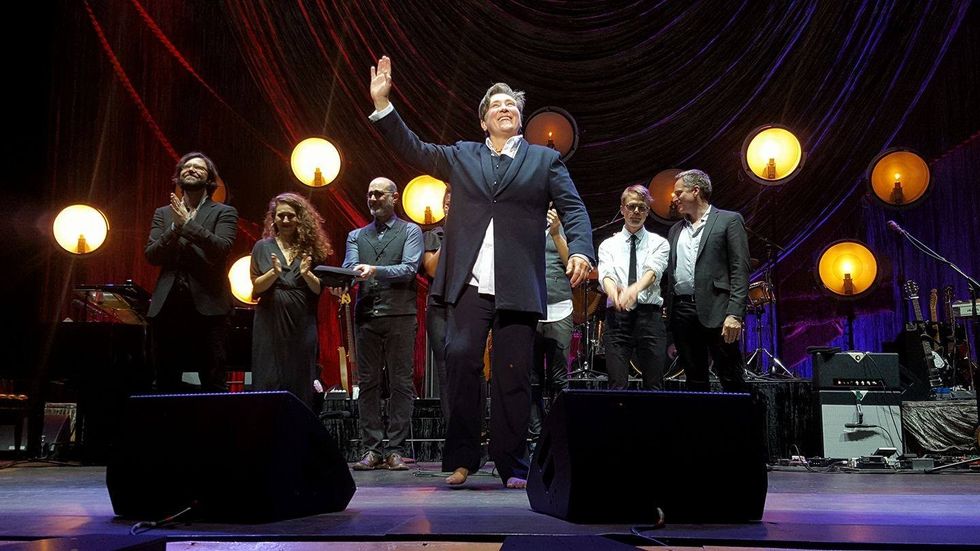
K.D. Lang didn't futz with the arrangements on her 1992 album "Ingénue" when she brought it to the Theatre at Ace Hotel as part of a tour launched last year to mark the record's 25th anniversary.
And why on earth would she?
A canny and sumptuous blend of roots music and pre-rock pop, "Ingénue" sounds as great today as it did upon its release, when the finely turned collection spawned a radio hit in "Constant Craving" and went on to earn Grammy nominations for album, record and song of the year.
But in a market over-saturated with full-album concerts designed merely to satisfy fans' nostalgia, there was another reason Lang could feel creatively secure in sticking to the script for Monday night's show: A quarter-century after "Ingénue" made her a mainstream star, she's still a singular figure — a post-modern torch singer working in the country idiom (or maybe next to it) to reflect her life as an openly gay woman – continue reading Mikael Wood’s LA Times feature here