TikTok Sues to Overturn U.S. Law Forcing Sale or National Ban: ‘Obviously Unconstitutional’
The social media giant and its Chinese owner say the recently-enacted legislation is an "unprecedented" violation of free speech.
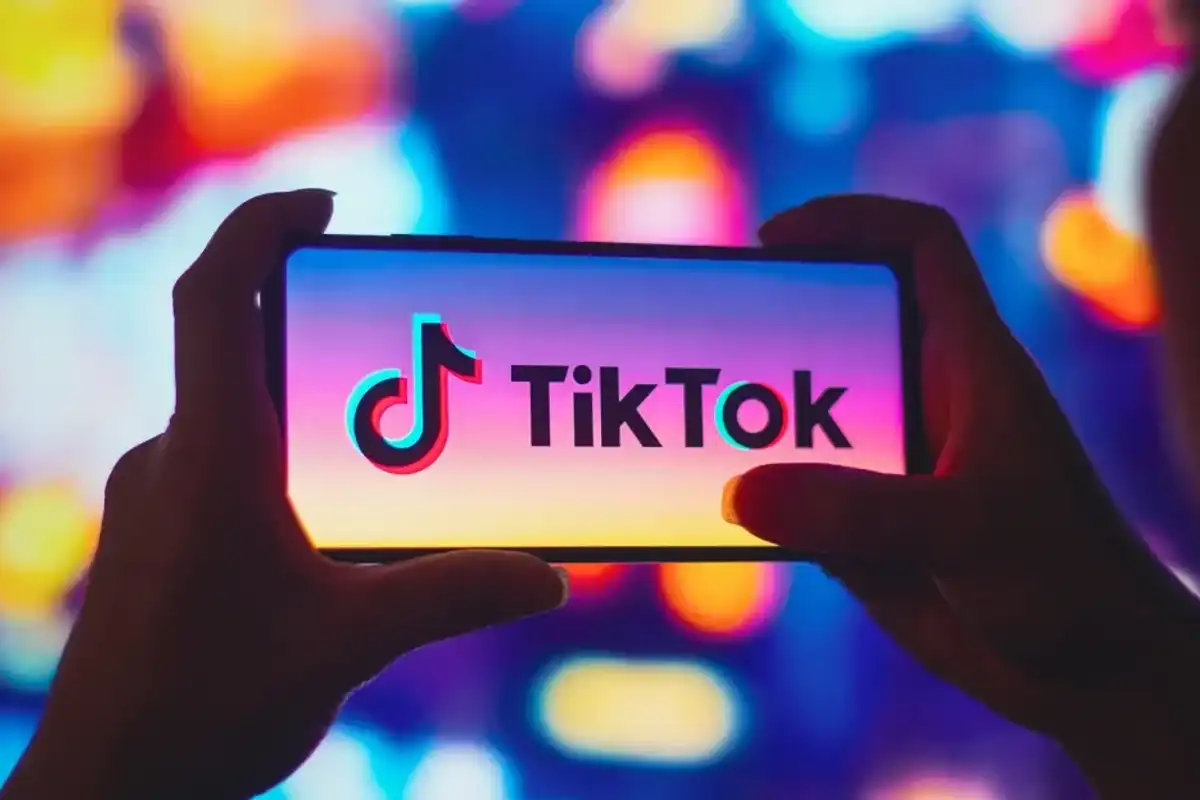
Illustration by Rafael Henrique/SOPA Images/LightRocket via Getty Images
TikTok and parent company ByteDance have filed a federal lawsuit aimed at overturning recently-passed legislation requiring the Chinese company to sell the popular app or face a national ban, arguing that it violates the First Amendment.
In a complaint filed Tuesday in D.C. federal court, TikTok and Byte Dance called the law an “unprecedented” and unconstitutional action aimed at “singling out” one company and “silencing” more than 170 million Americans who use TikTok.“
For the first time in history, Congress has enacted a law that subjects a single, named speech platform to a permanent, nationwide ban,” lawyers for the two companies wrote. “There are good reasons why Congress has never before enacted a law like this.”
The lawsuit came just week after President Joe Biden signed the Protecting Americans From Foreign Adversary Controlled Applications Act, which requires that ByteDance either divest ownership of TikTok by Jan. 19 or face a national ban on the app. Proponents have argued that TikTok presents a national security threat because of its connections to the Chinese government and access to millions of Americans.
In Tuesday’s complaint, TikTok argued that such national security concerns were not sufficient to override the First Amendment’s protections for free speech. The company’s attorneys said lawmakers had failed to “articulate any threat posed by TikTok” and had cited only “speculative concerns,” meaning they were making an “extraordinary and unconstitutional assertion of power” without clear reason.
“If Congress can do this, it can circumvent the First Amendment by invoking national security and ordering the publisher of any individual newspaper or website to sell to avoid being shut down,” TikTok’s lawyers wrote.
The new lawsuit came just days after TikTok – an increasingly influential part of the music industry ecosystem – reached an agreement with Universal Music Group to end a months-long standoff over rights to the music giant’s catalog.
In the new complaint, TikTok argued that it had already spent billions of dollars addressing the potential security risks cited by lawmakers, and had reached voluntary agreements with executive agencies like the Committee on Foreign Investment in the United States to safeguard user data and the integrity against foreign government influence.
“Congress tossed this tailored agreement aside, in favor of the politically expedient and punitive approach of targeting for disfavor one publisher and speaker,” TikTok’s attorneys wrote. “Congress must abide by the dictates of the Constitution even when it claims to be protecting against national security risk.”
TikTok has already had success in court over U.S. efforts to ban the app. Citing the First Amendment, a federal judge in 2020 blocked former President Donald J. Trump from carrying out an executive order barring TikTok from app stores. And last year, a federal judge in Montana overturned a law in that state banning the app, ruling that legislation not only violated free speech, but also encroached on federal authority to regulate foreign relations.