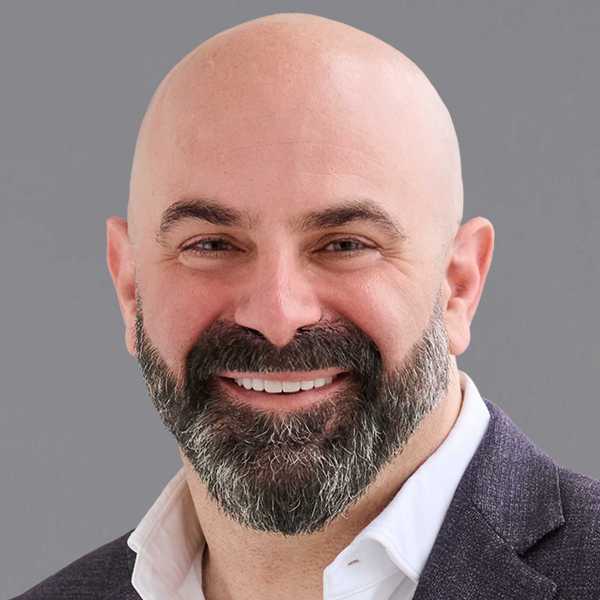


In a Canadian music industry where power is often concentrated within a few big corporate companies, Sander Shalinsky has worked independently behind the scenes on some of the market’s largest transactions. Regularly dealing in numbers upwards of eight to nine figures — including a recent $100 million independent music and film consolidation backed by a UK bank — the lawyer and entrepreneur orchestrates everything from high-stakes catalogue acquisitions and corporate financing to large-scale sales to massive talent signings and exits. While his resume includes guiding early milestones for global superstar The Weeknd, Shalinsky continues to strategize for young artists like country risers The Martin Boys, leveraging massive social followings to make big moves early in their careers. He’s also expanded into live theatre as executive producer of Montreal’s La Cage aux Folles. If power is measured by setting money in motion, Shalinsky is a definitive leader in the market.
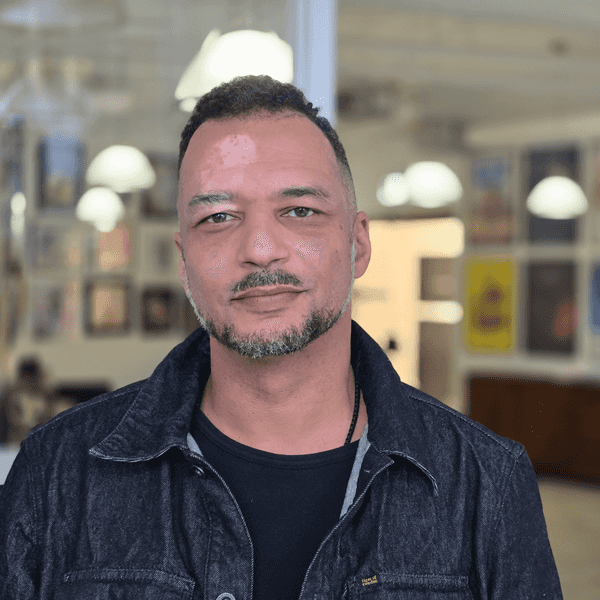
For nearly 20 years, Miro Oballa has operated across almost every corner of Canada’s entertainment business — from music law and management to nightlife, live events and artist development. As a partner at Taylor Oballa Murray Leyland LLP, which bills itself as the largest entertainment boutique law firm in the country, Oballa represents clients across music, film, television, gaming and sports. His firsthand entrepreneurial experience gives him a broader perspective than many traditional entertainment lawyers, and he’s responsible for nearly a quarter billion in catalogue sales. He’s also a founding partner in Different Gear Management, whose client Sophia Stel signed to A24 Music, the music division of the lauded film studio.
Outside the courtroom and boardroom, his impact on Canadian music infrastructure has been equally significant. Oballa co-founded ADVANCE, Canada’s Black Music Business Collective, helping create mentorship and professional pathways for Black executives and creatives in the industry. This year also marked the 20th anniversary of Taylor Oballa Murray Leyland, a milestone reflecting the firm’s long-standing role within Canada’s music and entertainment sectors.
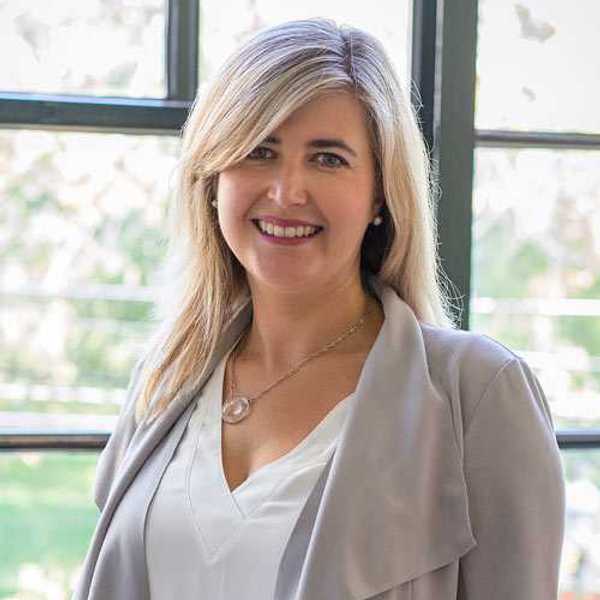
Few lawyers in Canada have touched so many aspects of the modern music business as Susan Abramovitch. Across more than three decades, the Gowling WLG partner has advised everyone from artists and independent labels to publishers and digital platforms, reflecting the interconnectedness of music, technology and intellectual property. Her recent work has included advising companies like Secret City Records and Peermusic on rights management, artist development and international growth, while also handling catalogue acquisitions and complex cross-border deals. At the same time, Abramovitch continues to work with Canadian artists including Patrick Watson, Finger Eleven, Loreena McKennitt and Susan Aglukark. And, like so many lawyers working in the music industry, she’s increasingly working on the implications of AI, copyright and creativity — on the legal vanguard of a changing industry.
As music rights become one of the industry’s most valuable — and often misunderstood — assets, Angelika Heim has emerged as one of the lawyers helping artists and companies protect and understand what they own. A partner at Stohn Hay Cafazzo Heim Finlay LLP, Heim works across catalogue sales, publishing, licensing and intellectual property strategy for everyone from emerging artists to JUNO- and Grammy-winning talent, songwriters, labels and music publishers, film and television producers — a cross-section of the industry. She helps clients unlock long-term value of their assets, often untangling decades of fragmented rights histories. As AI rapidly reshapes ownership and exploitation in music, this work has become increasingly central to how artists can safeguard both their revenue and legacy.
05
Casey Chisick
As artificial intelligence rapidly reshapes the economics and ownership structures of music, Casey Chisick has become one of the key legal figures helping define how the industry responds. A partner and chair of the Intellectual Property and Entertainment & Sports groups at Cassels Brock & Blackwell LLP, Chisick has spent decades at the forefront of Canadian copyright law, representing collective societies like SOCAN and CMRRA and appearing in landmark copyright appeals before the Supreme Court of Canada. He’s worked with some major artists in Canadian music, from Shawn Mendes to Avril Lavigne. Over the last year, though, his work has increasingly focused on AI licensing, rights management and digital policy at a very crucial moment some have compared to the file sharing revolution or shift to streaming. There are immense legal ramifications, and Chisick is here to meet the moment.